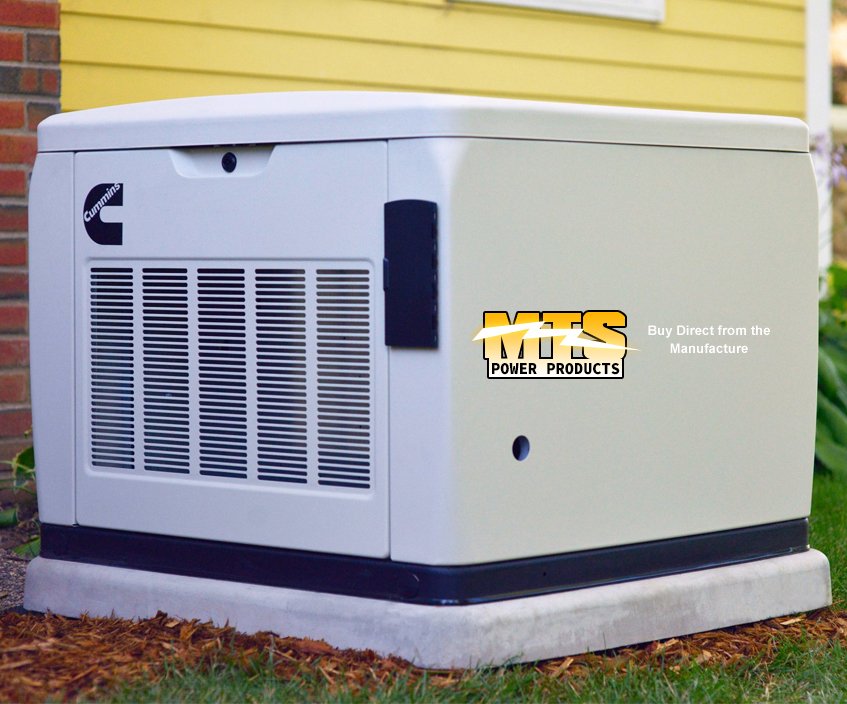
Power outages—whether from the devastating Los Angeles fires of 2000-2019, severe winter storms, or an unexpected grid failure—are more than an inconvenience; they can disrupt lives, endanger families, and cost thousands. If you're tired of being left in the dark, Choosing the Right Propane Whole Home Generator isn't just a home improvement project; it's an investment in peace of mind and resilience. It's about ensuring your lights stay on, your food stays cold, and your family stays comfortable when the world outside goes dark.
This isn't about just any generator. We're diving deep into whole-home propane systems—the quiet, reliable workhorses that kick in automatically, often before you even realize the power's out.
At a Glance: What You Need to Know
- Necessity First: Whole-home generators make sense for rural/suburban areas prone to outages; less so for apartments in dense cities.
- Size Matters: Accurately calculate your wattage needs to power essential appliances (and perhaps a few luxuries) without overspending or underserving.
- Propane's Edge: Offers a stable, storable fuel source with a long shelf life, ideal for automatic whole-home standby systems.
- Standby for Seamlessness: These hardwired units connect directly to your home's electrical system, activating automatically via an automatic transfer switch.
- Professional Installation is Key: Essential for safety, compliance with local codes, and proper functionality.
- Safety Above All: Carbon monoxide risk is real; generators must always operate outdoors, at least 20 feet from your home, with CO detectors inside.
- Beyond the Price Tag: Factor in installation costs, fuel storage, and ongoing maintenance.
Why Propane is a Smart Choice for Whole Home Backup
When you’re considering a generator to power your entire home, the fuel source is one of the most critical decisions. While natural gas, diesel, and gasoline all have their place, propane stands out as a highly versatile and reliable option, particularly for whole-home standby generators.
Propane offers a unique blend of benefits. Unlike natural gas, which relies on an underground utility grid vulnerable to storm disruptions, propane is stored on-site in tanks. This gives you a continuous, independent fuel supply. And compared to gasoline, propane boasts a much longer shelf life, meaning you don't have to worry about fuel degradation or constant replenishment of small, volatile containers. Diesel, while efficient, often requires more maintenance and careful storage to prevent contamination.
For homeowners in areas where natural gas lines are unavailable or unreliable, propane is often the default choice for a seamless whole-home backup experience. It’s also a cleaner-burning fuel than diesel or gasoline, which can translate to less maintenance over the generator's lifetime.
Do You Really Need a Whole Home Generator?
Before you dive into wattages and features, take a step back and assess your specific situation. A whole-home generator isn't a one-size-fits-all solution, but for many, it's an invaluable asset.
Consider your location:
- Rural and suburban areas are statistically more susceptible to long-term outages due to sprawling power grids and vulnerability to natural disasters like ice storms, hurricanes, or wildfires. For residents in these zones, continuous power isn't a luxury; it's often a necessity for well water, septic systems, and heating/cooling.
- Urban apartments or dense city neighborhoods are generally less prone to extended blackouts. If an outage occurs, it's often resolved quickly. In these scenarios, a smaller portable generator or even a high-capacity home power station might be a more practical and permissible solution, especially given potential installation challenges and noise restrictions.
Think about what an outage means for your household. Is it just an inconvenience, or does it pose a risk? If you rely on medical equipment, work from home, have young children or elderly family members, or live in an area with extreme weather, a whole-home generator can provide essential protection. For smaller needs, like powering just a few essential devices or during camping trips, portable generators or solar generators are viable alternatives.
Sizing It Right: Calculating Your Wattage Needs
This is arguably the most crucial step in choosing your generator. An undersized generator won't power everything you need, while an oversized one will cost more upfront and waste fuel. The goal is to find the "Goldilocks" zone—just right.
Start by listing every appliance and system you want to run during an outage. Don't forget the "hidden" loads like well pumps, garage door openers, and even your Wi-Fi router. For each item, note its running wattage and, for motors, its surge (or starting) wattage. Surge wattage is the brief burst of power an appliance needs to kick on, often 2-3 times its running wattage.
Here’s a general approach:
- Identify "Must-Haves": Refrigerator, freezer, critical lighting, furnace fan, well pump, water heater (if electric), medical devices, Wi-Fi.
- Add "Comforts": TV, computer, microwave, central air conditioning (this is often the biggest load), electric range (another big one).
- Find Wattages: Check appliance labels, user manuals, or manufacturer websites. You can also use a clamp meter to measure actual draw.
- Sum It Up: Add the running wattages of all "must-have" items you plan to operate simultaneously. Then, identify the single item with the highest surge wattage among your "must-haves," and add that to your running wattage total. This gives you a baseline.
- Factor in Luxuries (Carefully): If you want to run central AC or an electric range, these will significantly increase your required generator size. You might consider "load management" systems that prioritize power to certain appliances, cycling others off temporarily.
Important Note: This calculation is a starting point. Consulting multiple reputable generator dealers or licensed electricians is highly recommended. They can perform a detailed load calculation, assess your home's electrical panel, and confirm the appropriate generator size for your unique needs. This professional insight can save you from costly mistakes down the line.
Understanding the Investment: Budget Realities
The cost of a whole-home propane generator isn't just the sticker price of the unit itself. It's a significant investment that includes several components:
- The Generator Unit: Propane whole-home standby generators typically range from $3,000 to $6,000+, depending on wattage, brand, and features.
- Professional Installation: This is where the bulk of the cost often comes in. It includes:
- Permits: Local regulations will require permits for electrical and plumbing work.
- Site Preparation: A concrete pad or stable base for the generator.
- Electrical Work: Connecting the generator to your home's electrical system via an automatic transfer switch, which often involves upgrading your service panel.
- Fuel Line Installation: Running a gas line from your propane tank to the generator. The distance between the two can significantly impact costs.
- Propane Tank: The cost of the tank itself (if purchased) or rental fees, plus the initial fill. Tank sizes vary widely (e.g., 250-gallon to 1,000-gallon) based on generator size and desired run time.
- Ongoing Costs:
- Fuel: The price of propane fluctuates, and you'll need regular refills.
- Maintenance: Annual servicing, oil changes, filter replacements.
- Testing: Many units run weekly self-tests, consuming a small amount of fuel.
Comparing with Portables:
Portable generators are significantly more affordable, typically ranging from a few hundred to $2,500. They can power essential items like refrigerators, lights, TVs, and Wi-Fi. However, they generally cannot handle central air or heat, meaning you'd need alternative solutions for extreme weather. They also require manual setup and refueling during an outage. The convenience and power of a whole-home standby system come with a higher price tag, but for many, the reliability is worth it.
Propane vs. Other Fuel Types: Making an Informed Choice
While propane is our focus, understanding other generator fuel types helps highlight propane's specific advantages and disadvantages.
- Natural Gas: Offers an incredibly convenient, continuous fuel supply from your utility grid. It's clean-burning and generally requires less on-site fuel management. The primary drawback is its vulnerability; if the main gas lines are damaged during a storm or earthquake, your generator won't run. Exclusively used in standby generators.
- Diesel: Known for fuel efficiency and providing stable power for extended durations. Diesel fuel is also less flammable than gasoline, posing a lower fire hazard. However, diesel generators typically require more maintenance, and the fuel can degrade over time, necessitating careful storage to prevent contamination.
- Gasoline: Most common in portable generators due to its high energy density and widespread availability. The major downsides are its short shelf life (requires fuel stabilizer for storage and frequent rotation), flammability, and the challenge of obtaining fresh fuel during widespread outages when gas stations may be closed or have long lines. Gasoline generators typically require refueling every 12 to 16 hours.
- Electric Home Batteries/Solar Generators: These systems store energy from solar panels or the electrical grid. They are environmentally friendly, quiet, lightweight, and portable. Solar-connected batteries don't require fossil fuels and can even save money on time-of-use utility plans. The main drawbacks are their high upfront cost and potentially limited runtimes, especially for purely solar generators powering a whole home during extended periods without sun.
Propane's Sweet Spot:
Propane generators balance availability, storage, and performance. You can store a substantial supply on your property, offering peace of mind even if local utilities are disrupted. Its longer shelf life means less worry about fuel going bad. While its availability can be less consistent than piped natural gas and costs fluctuate, the control you have over your fuel supply is a major advantage for whole-home backup. When you’re ready to learn more, deep dive into the specifics of propane whole home generators and their advantages.
The Workhorse: Home Standby Generators Defined
When we talk about "whole home generators," we're almost always referring to Home Standby Generators. These are robust, heavy-duty systems designed for continuous, automatic operation.
Here's what sets them apart:
- Hardwired Installation: Unlike portable units, standby generators are permanently installed outside your home, much like an air conditioning unit. They are hardwired directly into your home's electrical panel.
- Automatic Transfer Switch (ATS): This is the brains of the operation. When grid power fails, the ATS detects the outage, signals the generator to start, and automatically switches your home's power source from the utility grid to the generator. When utility power is restored, the ATS switches back, and the generator shuts down. This entire process happens seamlessly, often in seconds, without any manual intervention.
- Whole-Home Power: Properly sized, a standby generator can power everything in your home, from lights and essential appliances to central air conditioning and heating.
- Professional Installation is Non-Negotiable: Due to the complex electrical and fuel connections, professional installation by licensed electricians and plumbers is essential. This ensures safety, compliance with local ordinances, and proper functioning. Ignoring local noise restrictions or setback requirements could lead to fines.
Essential Features to Look For in a Propane Standby Generator
Beyond raw wattage, modern propane whole-home generators come with a suite of features that enhance performance, safety, and convenience.
- Automatic Transfer Switch (ATS): As mentioned, this is standard for whole-home standby units, but understanding its role is key. It ensures seamless, hands-free operation.
- Automatic CO Shutoff: This is a crucial safety feature. If dangerous levels of carbon monoxide (CO) are detected near the unit, it will automatically shut down. While generators should always be operated outdoors, this provides an extra layer of protection.
- Electric Start: Eliminates the need for pull cords. Most standby units come with this, allowing for remote start, push-button operation, or, more commonly, automatic ignition via the ATS.
- Low-Oil Shutoff: Protects the generator's engine by automatically shutting it off if oil levels drop too low. This prevents serious damage. Remember, regular oil and filter changes are still necessary as part of routine maintenance.
- Fuel Gauge: For propane tanks, this provides real-time tracking of your fuel levels, so you know when to schedule a refill.
- Noise Level: While standby generators are generally quieter than portable gasoline units, they still produce noise. Look for models with decibel ratings (dB) in the 60-70 dB range for residential use. This is comparable to a normal conversation or an air conditioner. Inverter technology (more common in portables) adapts power output to demand, throttling up and down for fuel efficiency and lower noise levels due to sophisticated exhaust systems.
- Remote Monitoring: Many modern units offer Wi-Fi or cellular connectivity, allowing you to monitor the generator's status, fuel level, maintenance alerts, and even remotely start/stop it from your smartphone or computer.
- Enclosure Material: Look for durable, weather-resistant enclosures (e.g., aluminum) that protect internal components from the elements and reduce noise.
Safety First: Protecting Your Home and Family
Operating any generator, especially a powerful whole-home unit, requires strict adherence to safety protocols.
The Silent Killer: Carbon Monoxide (CO)
Generators, regardless of fuel type, produce carbon monoxide (CO)—an odorless, colorless, and lethal gas. Even small amounts can be dangerous. Symptoms of CO poisoning include headaches, dizziness, nausea, confusion, and eventually loss of consciousness and death.
Mitigation is Key:
- Outdoor Operation ONLY: This cannot be stressed enough. Always operate gas-powered generators in well-ventilated outdoor areas.
- Distance is Vital: Position your generator at least 20 feet away from your home, and ensure it's at least five feet from any surrounding surfaces to prevent overheating. Never run it in an enclosed space like a garage, shed, or basement.
- Away from Openings: Ensure the exhaust is directed away from windows, doors, and vents that could allow CO to enter your home. Even a generator 20 feet away can pose a risk if exhaust drifts indoors.
- Automatic CO Shutoff: Many modern generators feature this important safety function, powering down the unit if dangerous CO levels are detected nearby.
- Install CO Detectors: Equip your home with battery-operated or battery-backup carbon monoxide detectors on every level and near sleeping areas. Test them regularly.
Fuel Handling and Storage
Propane, while safer to store than gasoline, still requires careful handling.
- No Refueling Hot Generators: Never refill a hot generator or one near warm objects. Propane can ignite if exposed to a spark or open flame.
- Professional Tank Installation: Propane tanks for whole-home generators are large and require professional installation, ensuring proper venting, regulators, and safety valves. Regular inspections of your tank and lines are also crucial.
- Maintain Clearances: Ensure the area around your propane tank and generator is clear of debris, flammable materials, and vegetation.
The Transfer Switch: Your Electrical Gatekeeper
A transfer switch is the critical safety component that connects your generator to your home's electrical panel.
- Automatic Transfer Switches (ATS): Standard in standby generators, these automatically switch between grid and generator power. They also prevent "backfeeding"—sending electricity back into the utility lines, which can electrocute utility workers.
- Manual Transfer Switches: Recommended for portable generators, a manual transfer switch (installed by an electrician) allows you to safely connect a portable unit to your home's electrical system, powering hardwired appliances without using hazardous extension cords. Using an extension cord to power essential items is typically less efficient and can overload outlets.
- Professional Installation: Always consult a licensed electrician for the installation of any transfer switch to ensure it meets electrical codes and operates safely.
These safety measures are not optional; they are foundational to the safe operation of your whole-home generator. For more guidance on keeping your family safe, review essential generator safety tips.
Maintaining Your Propane Whole Home Generator
Just like your car, your generator needs regular attention to ensure it's ready when you need it most.
- Regular Exercising: Standby generators typically run a short self-test once a week or month. This "exercise cycle" keeps components lubricated, batteries charged, and ensures the unit is ready to respond to an outage.
- Annual Servicing: Schedule professional maintenance at least once a year. This includes oil and filter changes, spark plug inspection, battery check, and a general tune-up to ensure optimal performance.
- Fuel Monitoring: Keep an eye on your propane tank gauge, especially after extended outages or exercise cycles, and schedule refills proactively.
- Keep it Clear: Ensure the area around your generator is free of leaves, snow, ice, and debris. Proper airflow is essential for cooling and exhaust.
- Battery Check: The starting battery for your generator needs to be in good condition. Most units include a battery charger, but periodic checks are still wise.
Proper maintenance not only extends the life of your generator but, more importantly, ensures it will reliably power your home during an emergency. For more specific details on keeping your system running smoothly, check out our generator maintenance checklist.
The Full Cost Picture: Beyond the Unit Price
We’ve touched on budget, but let’s break down the full cost implications for a propane whole-home standby generator.
- Generator Unit: As discussed, this is typically $3,000 - $6,000+, depending on wattage and features.
- Automatic Transfer Switch (ATS): Often included with the generator or as a separate component, adding another $500 - $1,500.
- Propane Tank:
- Purchase: A 500-gallon tank (common for many whole-home systems) can cost $1,500 - $3,000+.
- Rental: Many propane suppliers offer tank rentals for a modest annual fee. This can be more cost-effective if you don't want the upfront expense of purchasing.
- Installation Labor & Materials: This is the most variable cost.
- Electrical Work: $2,000 - $5,000+ depending on the complexity of integrating with your home's panel, trenching required for electrical lines, and potential panel upgrades.
- Gas Line Installation: $500 - $2,000+ depending on the distance between the tank and the generator, and the complexity of routing the lines.
- Concrete Pad/Foundation: $300 - $800.
- Permits: Varies by municipality, typically a few hundred dollars.
- Total Installation: Easily ranges from $3,000 to $10,000+, pushing the total project cost to $6,000 to $16,000 or even higher for very large systems or complex installations.
- Fuel Costs: The initial fill of a 500-gallon tank can cost $1,000 - $2,000, depending on market prices. Ongoing fuel costs depend on usage.
- Maintenance Contracts: Expect $200 - $500 annually for a professional service plan.
When you weigh these factors, it becomes clear that while the initial outlay for a propane whole-home generator is substantial, it’s an investment in continuous power, comfort, and safety. This is a critical factor when calculating the overall generator installation cost.
Making Your Final Decision: A Checklist
You've done your research, understood the costs, and prioritized safety. Now, let's distill it into a clear decision path:
- Assess Your Need: Are you in an outage-prone area? Do you have critical power needs (medical equipment, well water, business from home)? If not, a portable solution might suffice.
- Calculate Your Load: Get a professional load assessment. Don't guess. This dictates your generator size and fuel consumption.
- Confirm Fuel Availability: For propane, ensure you have reliable access to a supplier for tank installation and refills.
- Review Features: Prioritize automatic start, low-oil shutoff, and especially automatic CO shutoff. Consider remote monitoring for added convenience.
- Obtain Multiple Quotes: Contact at least three reputable, licensed contractors (electricians, generator dealers) for comprehensive quotes that include the unit, transfer switch, propane tank, and all installation labor and materials. Compare not just price, but also warranties, service plans, and contractor reputation.
- Understand Local Regulations: Ask contractors about permits, setback requirements, and noise ordinances in your area.
- Plan for Maintenance: Factor in the ongoing costs and schedule for annual servicing.
Choosing the right propane whole home generator is a significant decision, but one that brings immense peace of mind. You're not just buying a piece of equipment; you're investing in your family's safety and comfort, ensuring that when the power goes out, your life doesn't have to stop.
Your Next Steps for Uninterrupted Power
Feeling ready to take the plunge? Great! Here’s what you should do next to move from contemplation to seamless backup power:
- Contact Local Experts: Reach out to at least three reputable, licensed generator installers and electricians in your area. They will provide on-site assessments, discuss your specific needs, and offer detailed quotes.
- Verify Credentials: Ensure any contractor you consider is licensed, insured, and has experience specifically with propane whole-home generator installations. Ask for references!
- Review Local Ordinances: Before finalizing your choice, check with your local municipality regarding permits, noise regulations, and setback requirements for generators and propane tanks. Your chosen installer should be well-versed in these, but it's always good to confirm.
- Choose Your Propane Supplier: Research local propane providers. Inquire about tank purchase vs. rental options, delivery schedules, and pricing structures.
The journey to reliable home backup power is a rewarding one. With a clear understanding of your needs, the right equipment, and professional installation, you can confidently face future power outages, knowing your home will remain a beacon of comfort and security.