Life throws curveballs, and sometimes those curveballs come in the form of widespread power outages. Whether it's a brutal winter storm, a summer hurricane, or just an aging electrical grid, losing power can quickly turn from an inconvenience into a genuine hardship. That's why many homeowners are seriously considering comparing propane whole home generators to alternatives for reliable backup power.
Imagine this: the lights flicker, then die. Instead of scrambling for flashlights and worrying about the food in your fridge, a quiet hum starts outside. Moments later, your home's power is restored, automatically. Your HVAC system kicks back on, the well pump starts flowing, and life continues almost as if nothing happened. That's the promise of a whole home standby generator. But is propane the right fuel for you, and how does it stack up against other options? Let's break it down.
At a Glance: Your Quick Guide to Backup Power
- Whole Home Standby Generators (often propane or natural gas): Automatic, permanently installed, power critical hardwired appliances (HVAC, well pump). Higher upfront cost, professional installation required.
- Propane Fuel: Excellent where natural gas isn't available. Stores in a large tank, safer than gasoline, needs periodic refilling.
- Portable Generators: More affordable, manual operation, fuel with gasoline (or sometimes dual-fuel), typically less power, CO risk if not used correctly.
- Inverter Generators: Quieter, fuel-efficient portables, clean power for electronics. Still manual, lower power.
- Solar + Battery Storage: Eco-friendly, silent, no fuel cost post-installation. High upfront cost, capacity limits for very heavy loads or extended outages.
- Key Decision Points: Budget, outage frequency/duration, power needs (essential vs. whole home), fuel availability, noise, and installation complexity.
The Unseen Threat: Why Backup Power Matters More Than Ever
Power outages aren't just an occasional nuisance anymore. From extreme weather events linked to climate change to the strain on aging infrastructure, blackouts are becoming more frequent, longer, and in some cases, more dangerous. Losing power means losing heat in winter, air conditioning in summer, refrigeration, communication, and even access to water if you have a well. For those with medical equipment, a continuous power supply isn't a luxury; it's a necessity.
This growing vulnerability has propelled backup power solutions into the forefront of home preparedness. While various options exist, the whole home standby generator has emerged as a top contender for homeowners seeking seamless, reliable protection.
Propane Whole Home Generators: The Automatic Sentinel
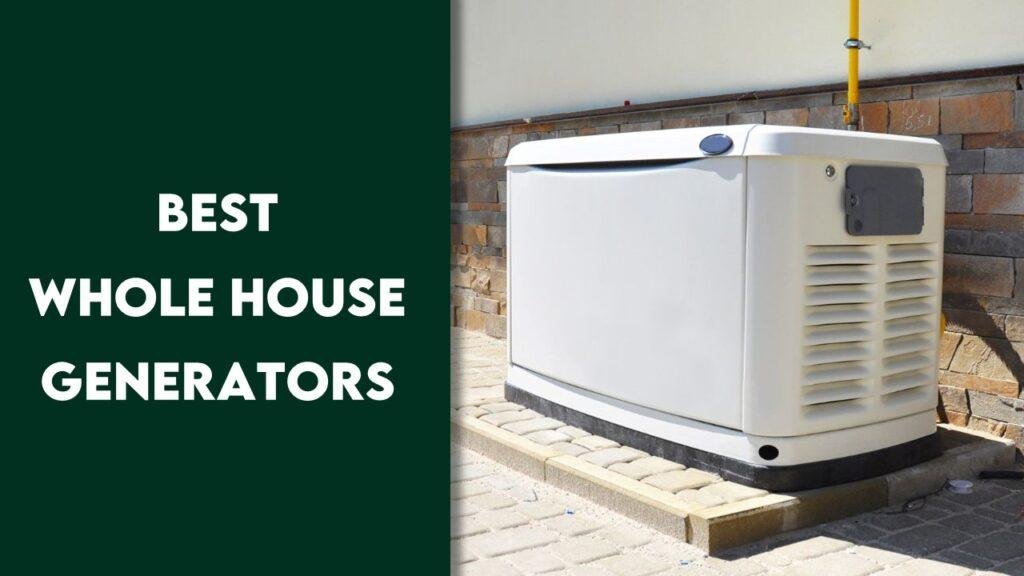
At its core, a whole home generator is a permanent power solution that kicks in automatically the moment your grid power fails. Unlike portable units you wheel out and start manually, these systems are designed to operate without any intervention from you. They're about the size of a central air conditioning unit and sit on a concrete pad outside your home, out of sight and mind until they're needed.
When an outage occurs, an automatic transfer switch (ATS) detects the loss of utility power and signals the generator to start. Once the generator is up to speed, the ATS safely disconnects your home from the utility grid and connects it to the generator. Power is restored, often within seconds. When grid power returns, the process reverses: the ATS switches your home back to utility power and shuts down the generator. It's a truly hands-off experience, ensuring you're never left fumbling in the dark.
While many whole home generators can run on natural gas, propane is a particularly versatile and popular choice. Propane whole home generators offer immense flexibility, especially for homes not connected to a natural gas line. Propane is stored in a large tank (often buried or discreetly placed on your property) and provides a significant, readily available fuel source. This makes them an excellent option for homes in rural areas or those looking for an independent fuel supply that isn't reliant on the local natural gas grid, which itself can be vulnerable during widespread disasters.
Understanding Your Power Needs: How Many Watts Do You Really Need?
Before diving into comparisons, it's crucial to understand what you need your backup system to power. Whole home generators come in various sizes, measured in watts, and this capacity directly impacts what appliances and systems can run simultaneously during an outage.
- Essential Circuit Backup (5,000 – 15,000 Watts): Smaller whole home generators are designed to power your most critical appliances and systems. This might include your refrigerator, freezer, well pump, water heater, furnace fan, lights, and essential electronics. Consumer Reports notes that models under 15,000 watts are typically sufficient for many key household items. While less expensive to purchase, remember that installation costs can be comparable to larger models, so your overall savings might not be as significant as you'd initially expect.
- Whole Home Backup (15,000+ Watts): For those who want to maintain their normal lifestyle during an outage, larger generators provide enough power for everything, including central air conditioning, multiple large appliances, and all your electronics. These larger models, delivering upwards of 15,000 watts, are designed to keep your entire household running without interruption.
Practical Guidance: Calculating Your Needs
To figure out your specific wattage requirements, consider these steps:
- List Essentials: Make a list of every appliance and system you absolutely need during an outage (fridge, specific lights, well pump, furnace, etc.).
- Check Wattage: Look at the labels on these items to find their running wattage and, for motors (like fridges or AC units), their starting (surge) wattage. Starting wattage can be 2-3 times higher than running wattage.
- Total It Up: Add up the running wattage of all items you want to run simultaneously, plus the highest starting wattage of any single item. This gives you a good estimate of the minimum generator size you'll need.
- Consult an Electrician: For precise sizing and to ensure you don't over- or undersize, a professional electrician can perform an energy audit and recommend the ideal generator capacity for your home. This is a crucial step in understanding generator wattage for your unique situation.
Consumer Reports testing has shown that larger models (15,000+ watts) typically run 120-250 hours on a propane tank, while smaller models often run longer on the same amount of propane due to lower fuel consumption.
The Propane Advantage: Pros of Whole Home Standby Generators
When you weigh your options, propane whole home generators bring a host of compelling benefits to the table:
- Automatic Peace of Mind: This is arguably the biggest advantage. As Paolo Fu, CR's generator testing engineer, points out, "If an automatic transfer switch is installed, there is usually nothing for you to do in the event of power outage—because the transfer switch will kick the generator on for you." No fumbling in the dark, no dragging out heavy equipment, no trying to get a finicky engine started in a storm.
- Unparalleled Safety: Portable generators, especially gasoline-powered ones, pose a significant carbon monoxide risk if not used correctly. Whole home units are professionally installed outdoors, with exhaust properly diverted away from your home, eliminating this danger. Propane itself is also a safer fuel to store in large quantities compared to gasoline, reducing fire hazards.
- Consistent, Reliable Power: Designed for extended run times, these units can power critical hardwired systems like your well pump, water heater, and even central air conditioning or heating. They're built with robust, often commercial-grade engines designed for long-term, demanding use. Brands like Generac, Kohler, Briggs & Stratton, and Cummins all focus on delivering durable, reliable performance.
- Fuel Flexibility & Storage: For homes without natural gas access, propane is an ideal solution. It can be stored on-site in large tanks, giving you an independent fuel supply that isn't tied to an underground utility line, which can sometimes be compromised during major natural disasters.
- Smart & Self-Sufficient: Many modern units feature self-diagnosis capabilities, notifying you when maintenance is needed. Top brands like Generac even offer Wi-Fi connectivity and remote monitoring via apps like Mobile Link, allowing you to check your generator's status from anywhere.
The Realities: Cons & Considerations
While the benefits are significant, it's also important to be realistic about the downsides of whole home propane generators:
- Significant Upfront Investment: Whole home generators are a major purchase. Consumer Reports notes that units in their ratings can range from $3,400 to nearly $7,000. This is considerably more than large portable generators, which might start as low as $800.
- High Installation Costs: The unit price is often just part of the story. Professional installation is mandatory and can be as expensive as, or even more expensive than, the generator itself. Installation costs typically range from $2,000 to $20,000 or more, often requiring a general contractor for the concrete pad, a plumbing/heating contractor for the gas line, and an electrician to hook into your electrical panel. Importantly, smaller units don't necessarily have substantially lower installation costs than larger ones.
- Space Requirements: These units are large, similar to a central AC unit, and require a dedicated, level concrete pad outdoors. You'll also need space for the propane tank, which can be quite large depending on your desired run time.
- Fuel Management (for propane): While convenient, a large propane tank needs to be monitored and refilled periodically. The duration a tank lasts varies significantly by generator size and load, with larger units potentially consuming more fuel. Establishing a relationship with a reliable propane supplier for automatic delivery or scheduled refills is essential.
- Ongoing Maintenance: Like any engine, whole home generators require regular maintenance (oil changes, filter replacements, battery checks). While many units offer self-diagnosis, you'll still need to perform or schedule these services to ensure peak performance when an emergency strikes. Understanding maintaining your standby generator is key to its longevity.
Comparing Propane Whole Home Generators to Their Alternatives
Now, let's stack propane whole home generators against other popular backup power solutions. Each has its niche, pros, and cons.
A) Portable Generators
Portable generators are often the first thought for backup power due to their accessibility and lower price point.
- Pros:
- Lower Upfront Cost: Significantly cheaper than whole home units, making them budget-friendly.
- Portability: Can be moved and used in different locations (e.g., job sites, camping).
- Simple Setup (for basics): Can be used by simply plugging extension cords into the unit.
- Cons:
- Manual Operation: Requires you to physically start it, refuel it, and plug in appliances. No automatic transfer switch.
- Fueling Hassle & Safety: Typically run on gasoline, which needs to be stored safely and refilled frequently. Pouring gasoline can be risky.
- Carbon Monoxide Risk: Must always be operated outdoors, far from windows and doors, due to lethal carbon monoxide fumes.
- Limited Power: Generally provide less power than whole home units, often not enough for central AC or multiple large appliances.
- No Hardwired Appliances: Cannot directly power hardwired items like a well pump or furnace without a manual transfer switch, which adds cost and complexity.
- Use Case: Best for occasional, short outages where you only need to power a few essential items like a refrigerator, some lights, and phone chargers.
B) Inverter Generators
Inverter generators are a subset of portable generators, known for their advanced technology.
- Pros:
- Quiet Operation: Much quieter than traditional portable generators, making them less disruptive.
- Fuel Efficiency: Often more fuel-efficient, leading to longer run times on a tank of gas.
- Clean Power: Produce "cleaner" electricity, safer for sensitive electronics like laptops and smartphones.
- Portability: Still highly portable and often lighter than traditional portables.
- Cons:
- Lower Power Output: Typically have lower wattage capacities than traditional portables, making them less suitable for large appliances.
- Higher Cost (than portables): More expensive than standard portable generators for their size.
- Still Manual: Share the same manual operation and fueling needs as other portables.
- Use Case: Excellent for camping, tailgating, or providing quiet, clean backup power for a few sensitive electronics and small appliances during an outage. Not a whole-home solution.
C) Natural Gas Whole Home Generators
These are very similar to propane whole home generators, with the primary difference being the fuel source.
- Pros:
- Unlimited Fuel Supply: If connected to a natural gas line, your generator has an essentially limitless supply of fuel, as long as the gas grid remains operational. No need for refueling or large on-site storage tanks.
- Automatic Operation: Just like propane units, they feature automatic transfer switches for seamless power restoration.
- Outdoor Installation: Same safety benefits regarding carbon monoxide.
- Cons:
- Dependent on Natural Gas Grid: If the natural gas infrastructure is damaged during a widespread disaster, your fuel supply will also be cut off.
- Availability: Natural gas lines are not available in all areas, particularly rural locations.
- Installation Costs: Comparable to propane units, requiring similar professional contractors for gas line hookup and electrical work.
- Use Case: Ideal for homeowners with a reliable natural gas supply who prioritize ultimate convenience and an endless fuel source during outages.
D) Solar + Battery Storage (e.g., Tesla Powerwall, Enphase)
This modern alternative uses renewable energy to power your home.
- Pros:
- Eco-Friendly: Utilizes solar energy, reducing your carbon footprint.
- Silent Operation: No noisy engine running; purely electrical.
- No Fuel Needed: Once installed, there are no ongoing fuel costs or deliveries.
- Seamless Integration: Can provide seamless backup power and even help reduce your electricity bills.
- Cons:
- High Upfront Cost: Generally the most expensive backup power solution to install, with systems costing tens of thousands of dollars.
- Capacity Limits: While powerful, battery systems have finite storage and output capacity. They might not be able to run all heavy loads (like multiple AC units) indefinitely or for very long outages without sufficient solar recharging.
- Weather Dependency: Solar panels need sunlight to charge batteries. Extended cloudy periods or heavy snow cover can reduce charging efficiency.
- Footprint: Requires roof space for solar panels and wall/floor space for battery units.
- Use Case: Best for eco-conscious homeowners, those seeking energy independence, or those looking to supplement grid power. Excellent for essential backup, but may struggle with very heavy, sustained loads compared to a large generator.
Key Brands in the Whole Home Generator Space
When considering a whole home generator, certain brands consistently rise to the top for their reliability and features. Consumer Reports tests brands like Champion, Generac, and Kohler, highlighting their performance.
- Generac: Often considered the market leader, Generac is praised for its reliability, innovative technology, and user-friendly features. Their generators offer automatic operation, Wi-Fi connectivity (via Mobile Link app for remote monitoring), fuel efficiency (natural gas or liquid propane), and durability. They boast a wide range of models and are a trusted name in backup power solutions.
- Kohler: Known for their durability and strong performance, Kohler generators feature fast response times, commercial-grade engines for longevity, and generally quieter operation than some competitors.
- Briggs & Stratton: If budget is a primary concern, Briggs & Stratton offers cost-effective solutions. Their generators are often praised for their affordability, compact designs, and solid performance for powering essential home appliances.
- Cummins: Cummins is recognized for producing high-quality power solutions, stemming from their industrial heritage. Their home generators are known for powerful performance suitable for larger homes, advanced technology like remote monitoring, and reliable engines built for long-term use.
Making Your Decision: Factors to Weigh
Choosing the right backup power solution is a significant decision. Here's a checklist of factors to consider:
- Budget: Realistically assess what you can afford for the unit and the professional installation. Don't forget ongoing fuel and maintenance costs.
- Outage Frequency & Duration: Do you experience frequent, short outages, or rare but extended blackouts? This impacts the need for automatic operation and fuel capacity.
- Fuel Availability: Is natural gas available at your property? If not, propane is likely your best whole home generator option. Consider the logistics of propane delivery and storage.
- Power Needs: Do you need "lights and fridge" essentials, or do you want to run your entire home, including central air, during an outage?
- Noise Tolerance: Whole home generators are generally quieter than portables but still produce noise. Solar + battery is silent.
- Local Regulations & Permits: Installation of whole home generators involves permits and adherence to local building codes, especially regarding gas lines and electrical work.
- Maintenance Commitment: Be prepared for the routine maintenance required to keep your generator in top shape.
Installation: The Critical Step
Regardless of the brand or fuel type, the installation of a whole home standby generator is not a DIY project. It's a complex process that must be handled by certified professionals for safety, compliance, and warranty purposes. This often involves:
- Site Preparation: Pouring a concrete pad for the generator unit.
- Gas Line Installation: Running a dedicated gas line (propane or natural gas) to the generator. This typically requires a licensed plumbing or heating contractor.
- Electrical Hookup: Integrating the automatic transfer switch (ATS) into your home's electrical panel. This requires a licensed electrician.
The costs can vary widely depending on your home's existing infrastructure, the distance of gas lines, and local labor rates. It's crucial to get multiple quotes from qualified and reputable contractors for a detailed home generator installation guide and ensure they handle all necessary permits.
Common Questions About Whole Home Generators
You've got questions, we've got answers. Here are some of the most common inquiries about whole home generators:
- How long do whole home generators run on propane?
It depends heavily on the generator's size and the electrical load placed on it. Larger generators (15,000+ watts) tested by Consumer Reports can run between 120 to 250 hours on a large propane tank. Smaller models often run longer on the same amount of propane. Your propane tank size will also dictate run time. - Are whole home generators worth the cost?
For many homeowners, the peace of mind, convenience, and protection of assets (food, electronics, property) and comfort during extended outages make them well worth the investment. For those in areas with frequent outages or who rely on medical equipment, they can be indispensable. - What maintenance do whole home generators need?
Like any engine, they require regular oil changes, filter replacements (air, oil, fuel), spark plug checks, and battery tests. Most modern units run weekly self-tests and will alert you if maintenance is due. Annual professional servicing is highly recommended. - Can I install a whole home generator myself?
No. For safety, warranty, and compliance with electrical and gas codes, whole home generators must be professionally installed by licensed electricians and gas fitters. Incorrect installation can be dangerous and void your warranty. - How loud are whole home generators?
They are significantly quieter than traditional portable generators, but they do produce noise, similar to a central air conditioning unit. Newer models and premium brands like Kohler often focus on quieter operation.
Your Next Steps Towards Uninterrupted Power
Choosing the right backup power solution for your home is an investment in security and peace of mind. While portable generators offer a budget-friendly entry, the convenience, safety, and comprehensive coverage of a propane whole home generator are hard to beat, especially in areas where natural gas isn't an option.
Start by assessing your power needs, understanding your budget for both the unit and professional installation, and considering the frequency and duration of outages you typically face. Get quotes from reputable local installers and compare brands based on features, reliability, and warranty. With careful planning, you can ensure your home remains a haven, even when the power grid lets you down. Investing in emergency power solutions is investing in your family's comfort and safety.