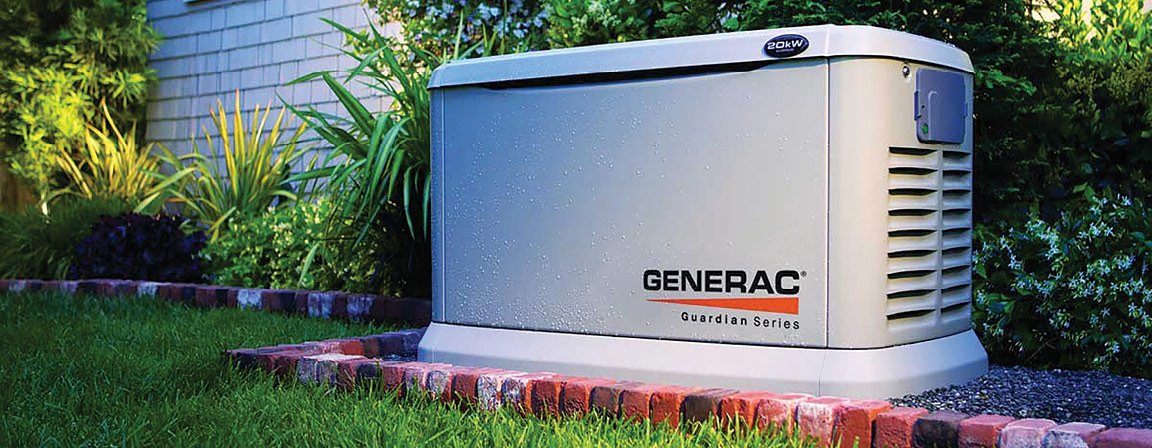
When the lights go out, a reliable backup power source isn't just a convenience; it's peace of mind. For many homeowners, propane generators step up to fill that void, offering consistent energy stored right on your property. But before you commit, understanding the full scope of the Cost, Running & Maintenance of Propane Generators is crucial. This isn't just about the sticker price; it's about the entire financial journey, from the moment you consider one to decades down the line.
At a Glance: The Financial Snapshot of Propane Generators
Here's a quick overview of what to expect when investing in a propane generator:
- Initial Unit Cost: Varies widely from a few hundred dollars for small portable units to over $12,000 for whole-home standby systems.
- Installation (for Standby): A significant expense, often ranging from $4,600 to $12,000+, covering electrical work, gas lines, tank setup, site prep, and permits.
- Fuel Costs: Propane consumption can be substantial, costing $5 to $10 per hour for a 20kW standby unit running under load.
- Routine Maintenance: Expect $200 to $600 annually for professional service, or $75 to $200 for basic DIY tasks like oil changes.
- Component Replacements: Batteries typically need replacing every 3-5 years ($100-$300).
- Lifespan & Major Repairs: Propane generators are built to last 10-20 years, but major repairs outside warranty can cost hundreds to thousands of dollars.
Understanding the Generator Landscape: Portable vs. Standby
Before we dive into the numbers, it's important to differentiate between the two main types of propane generators, as their cost structures diverge significantly.
- Portable Propane Generators: These are your go-to for essential circuits, tailgating, or small-scale power needs. They're manually operated, generally wheeled, and connect directly to appliances or a transfer switch via an extension cord. Their lower initial cost and simpler setup make them attractive for emergency situations where you only need to power a few key items.
- Standby Propane Generators: The "set it and forget it" option. Permanently installed outside your home, these systems automatically kick on within seconds of a power outage, often powering your entire house without you lifting a finger. They're connected directly to your home's electrical system and a large, on-site propane tank. This convenience comes with a higher price tag due to the unit itself and the extensive professional installation required.
For a deeper dive into which type might suit you best, explore our guide on standby vs. portable models.
Decoding Your Initial Investment: Generator Unit Costs
The first major chunk of your budget will go towards the generator unit itself. This varies drastically based on the type (portable or standby) and the power output you need.
Portable Propane Generator Costs
Portable units are a more budget-friendly entry point for backup power. They’re perfect for keeping refrigerators cold, running a few lights, or charging devices during a short outage.
- Small Portable (500-2,000 watts): Expect to pay $200 to $650. These are ideal for basic essentials or recreational use.
- Mid-Range Portable (3,000-6,500 watts): These typically fall between $1,000 and $2,000. They can handle more appliances, like a furnace fan or a well pump, in addition to basic circuits.
- Large Portable (10-18 kilowatts (kW)): Prices for these robust portables range from $2,000 to $4,000. While still portable, they often require a larger propane tank and can manage a significant portion of a home's power needs.
Standby Propane Generator Costs
Standby generators offer unparalleled convenience and peace of mind, but their upfront cost is considerably higher. These units are rated in kilowatts (kW) to indicate their power output.
- Smaller Standby (7-10 kW): Suitable for essential circuits in a modest home, these units cost $2,000 to $3,500. They'll keep critical systems running, but won't power everything simultaneously.
- Mid-Size Standby (13-20 kW): Ranging from $3,000 to $6,000, these can handle most of a medium-sized home's needs, including HVAC and multiple appliances.
- Whole-House Standby (22-25 kW and up): For complete home coverage, prices start at $4,500 and can easily exceed $12,000 for larger, more feature-rich models. These ensure your lifestyle remains uninterrupted, even during extended outages.
Factors Influencing Unit Price Beyond Power Output
It’s not just about the watts or kW. Several features can nudge the price up or down:
- Automatic Transfer Switch (ATS): For standby units, an ATS is what makes the generator automatic, sensing outages and switching power seamlessly. While sometimes bundled, it can be a separate cost driver.
- Brand Reputation: Established brands with robust warranties and reliable service networks often command higher prices, but typically offer better long-term value and support.
- Cold-Weather Kits: If you live in a region with freezing temperatures, a cold-weather kit is essential to ensure your generator starts reliably. This adds to the unit's cost.
- Noise Levels: Quieter generators, often with insulated enclosures, can be more expensive.
- Smart Features: Wi-Fi connectivity for remote monitoring, advanced diagnostic systems, and specialized fuel efficiency modes can also increase the price.
Beyond the Box: Installation & Setup Costs (For Standby Units)
The unit itself is only one part of the equation for a standby generator. Installation is a significant, complex, and specialized undertaking, requiring licensed professionals. These costs can often equal or even exceed the generator's purchase price.
The Electrical Work: Wiring Your Home for Backup Power
Connecting the generator to your home's electrical system and ensuring safe, automatic operation is paramount.
- Labor for Electrical Wiring: Expect to pay $2,000 to $5,000. This covers wiring the unit to your main service panel, ensuring proper grounding, and integrating it with your home's electrical grid.
- Automatic Transfer Switch (ATS) Cost: The ATS itself can add another $1,500 to $3,000 to the bill. This intelligent device is the brain of your standby system, detecting power outages, signaling the generator to start, and safely transferring your home's load. Without it, a standby generator is just a large, expensive portable unit.
The Propane Infrastructure: Fueling Your System
A propane generator needs a reliable fuel supply, which means installing or connecting to a propane tank and running a gas line.
- Propane Tank Installation: For a typical 500-gallon tank (common for whole-home standby), installation costs can range from $1,500 to $3,500. This includes the tank itself, delivery, setting, and connection. Many homeowners opt to lease tanks from propane suppliers, which can reduce upfront costs but incurs monthly or annual lease fees. To understand more about the options, see how propane tanks work.
- Gas Line Plumbing: A licensed gas fitter will need to install a dedicated gas line from the propane tank to the generator. This specialized plumbing can cost $500 to $2,000, depending on the distance, materials, and complexity of the run.
Site Preparation & Permits: Setting the Stage
- Site Preparation: Standby generators are heavy and require a stable, level base. This usually means pouring a concrete pad, which can cost $500 to $1,500. This also includes clearing the area and ensuring proper clearances for ventilation and maintenance.
- Local Municipal Permits & Inspections: To ensure safety and compliance with local building codes, you'll need permits for electrical, gas, and construction work. These typically add $100 to $500 to your overall cost, but skipping them can lead to significant problems down the line.
Installation Cost Breakdown for a Standby Propane Generator (Example):
| Component | Estimated Cost Range |
| :---------------------- | :--------------------- |
| Electrical Wiring Labor | $2,000 - $5,000 |
| Automatic Transfer Switch | $1,500 - $3,000 |
| 500-Gallon Propane Tank | $1,500 - $3,500 |
| Gas Line Plumbing | $500 - $2,000 |
| Concrete Pad / Site Prep | $500 - $1,500 |
| Permits & Inspections | $100 - $500 |
| Total Estimated Installation | $6,100 - $15,500+ |
Note: These ranges are estimates. Actual costs can vary based on location, contractor rates, and specific site conditions.
The Ongoing Tab: Running Your Propane Generator
Once installed, your generator isn't a "one and done" expense. The biggest ongoing cost is fuel, followed by routine maintenance.
Fuel Consumption & Cost: Keeping the Power Flowing
Propane consumption is the primary operational cost, and it can add up quickly, especially during extended outages. A general rule of thumb is that larger generators consume more fuel.
- Example: 20kW Standby Generator:
- At half load, this unit consumes approximately 2.36 gallons of propane per hour.
- At full load, it can use about 3.74 gallons per hour.
- Hourly Running Cost: With propane prices fluctuating, running this 20kW unit can easily cost $5 to $10 per hour or more, depending on your load and local propane rates.
It's crucial to consider how often and for how long you anticipate needing your generator. A few hours a year for minor outages is manageable, but multi-day events can significantly impact your fuel budget.
Propane Delivery & Storage Considerations
The cost of propane itself varies geographically and seasonally. You'll either own your tank or lease it from a supplier.
- Tank Ownership: You buy the tank upfront (included in installation costs above) and can shop around for the best propane prices.
- Tank Leasing: The propane supplier provides and maintains the tank, often in exchange for a commitment to purchase fuel exclusively from them. Lease fees can be annual or monthly.
- Refilling: Propane deliveries are typically scheduled, so it’s important to monitor your tank levels, especially during hurricane season or other periods of high outage risk. Some suppliers offer automatic fill-ups.
Keeping It Humming: Maintenance & Longevity Expenses
Just like your car, a generator needs regular care to perform reliably when you need it most. Neglecting maintenance can lead to costly repairs and, worse, a generator that fails to start during an emergency.
Routine Service: Annual Check-ups for Peace of Mind
Most manufacturers recommend annual service for standby generators, even if they haven't been heavily used. This ensures all components are in working order and helps extend the unit's lifespan.
- Annual Service Contracts: Many homeowners opt for service contracts with local generator dealers or HVAC companies. These typically cost $200 to $600 per year and usually include:
- Oil and filter changes
- Spark plug inspection/replacement
- Battery check
- Air filter cleaning/replacement
- General inspection of wiring, hoses, and fuel lines
- Test run of the unit
- Specific Actions (DIY or Hourly Rate): If you prefer ad-hoc service or DIY, an oil and filter change alone might cost $75 to $200 for parts and labor, excluding other critical checks. For those who are handy, performing basic maintenance yourself can save money, but it's often wise to have a professional conduct a thorough annual inspection.
Component Replacements: The Wear and Tear of Time
Some parts simply wear out over time, regardless of usage.
- Battery Replacements: The generator's starter battery typically needs replacing every three to five years, costing $100 to $300. This is a critical component; a dead battery means a dead generator.
- Other Consumables: Over a longer period, spark plugs, air filters, and fuel filters will also need periodic replacement, adding to maintenance costs. You can find a detailed breakdown of what to check and when in a generator maintenance checklist.
Anticipating Major Repairs & Lifespan
Propane generators are built tough, with an expected lifespan of 10 to 20 years, sometimes more with diligent maintenance. However, like any complex machinery, they can encounter issues.
- Major Repairs: Outside of warranty (which typically lasts 2-5 years), major repairs to components like the alternator, engine block, or control board can cost hundreds to a few thousand dollars.
- Wear and Tear: Prolonged use during extended outages can accelerate wear, potentially leading to more frequent or significant repair needs over the unit's lifetime.
Choosing Your Power Path: Portable vs. Standby & Sizing Considerations
Deciding between a portable and a standby propane generator, and then choosing the right size, significantly impacts your overall costs and long-term satisfaction.
Portable vs. Standby: A Quick Recap
| Feature | Portable Propane Generator | Standby Propane Generator |
|---|---|---|
| Initial Cost | Lower (hundreds to a few thousand) | Higher (thousands to tens of thousands) |
| Installation | Minimal (plug-and-play), requires manual setup | Extensive, professional (electrical, gas line, pad, permits) |
| Operation | Manual startup, connect cords, refuel manually | Automatic startup, seamless transfer, permanently plumbed |
| Power Output | Generally lower (essential circuits, specific appliances) | Higher (whole-home, multiple HVAC units) |
| Fuel Source | Small tanks (20-100 lbs), frequent refilling | Large fixed tanks (250-1000 gallons+), less frequent fills |
| Convenience | Lower | High |
| Your decision will hinge on your specific needs, budget, and desired level of convenience during an outage. Are you looking to keep basic necessities running or maintain your entire home's comfort? |
Sizing Your Generator Correctly
Under-sizing a generator means you won't have enough power; over-sizing means you've spent too much upfront and will likely consume more fuel than necessary.
- List Your Essentials: What absolutely must run during an outage? (Refrigerator, furnace fan, well pump, a few lights, medical equipment, phone chargers).
- Consider Comforts: What would make an extended outage more bearable? (Air conditioning, water heater, microwave, TV).
- Calculate Total Wattage: Add up the starting (surge) watts for motors and running watts for everything else. This will give you a good estimate of your power requirements.
For a comprehensive guide to figuring out exactly what you need, refer to our article on sizing your generator correctly. An accurate assessment here can save you thousands in mismatched equipment and operational costs.
Are Propane Generators Right For You? A Cost-Benefit Analysis
Propane generators offer distinct advantages, particularly in terms of fuel storage and reliability, but these benefits come with a price. Weighing the upfront investment against long-term operational costs and the peace of mind they provide is key.
The Advantages: Why Propane Shines
- Long Shelf Life of Fuel: Unlike gasoline, propane doesn't degrade, meaning your stored fuel will be ready whenever you need it, even after years.
- Clean Burning: Propane burns cleaner than gasoline or diesel, resulting in less engine wear and lower emissions.
- On-Site Storage: Large propane tanks provide a substantial, ready-to-go fuel supply right at your home, eliminating trips to gas stations during outages (which might not even be open).
- Reliability in Cold Weather: Propane performs well in cold temperatures, which can be an issue for some diesel generators.
- Safety: While all fuels require careful handling, propane tanks are highly regulated and secure.
The Disadvantages: Where Costs Can Mount
- Significant Upfront Cost: Especially for standby units, the initial purchase and installation are substantial.
- Fuel Consumption: As highlighted, propane usage can be considerable during extended outages, making fuel cost a major ongoing expense.
- Tank Requirement: Large propane tanks take up space and can be an aesthetic consideration.
- Delivery Dependency: You rely on propane delivery services, which can be strained during widespread emergencies.
Ultimately, the value of a propane generator often isn't purely financial. It's about protecting your home, preserving food, ensuring comfort, and most importantly, providing safety and peace of mind during unpredictable events. To further evaluate if this is the right choice for your household, consider weighing the pros and cons of propane generators.
Maximizing Your Investment & Minimizing Costs
You've made the investment; now how do you ensure you get the most out of it and keep those long-term costs in check?
- Smart Sizing: Don't oversize. Use the sizing guide to match your generator's output precisely to your needs, avoiding unnecessary fuel consumption.
- Regular Maintenance: This is non-negotiable. Adhering to the manufacturer's maintenance schedule and performing regular checks will prevent minor issues from becoming expensive repairs.
- Monitor Propane Prices: If you own your tank, shop around for propane suppliers to get the best per-gallon rate. Consider filling up during off-peak seasons when prices might be lower.
- Consider a Transfer Switch (for portables): If using a portable generator, a manual transfer switch (installed by an electrician) allows you to power specific circuits safely from your home's main panel, avoiding dangerous extension cord spaghetti and maximizing the generator's utility.
- Exercise Your Generator: Standby generators typically have an automatic exercise cycle (weekly or bi-weekly run for 10-20 minutes). This is crucial for lubricating components and ensuring it's ready to go. Don't skip it!
Your Next Steps to Reliable Power
Understanding the Cost, Running & Maintenance of Propane Generators is the first, crucial step toward making an informed decision. While the investment is significant, the security and comfort they provide can be invaluable, especially for those living in areas prone to frequent or prolonged power outages.
Take the time to assess your specific needs, calculate your potential load, and get multiple quotes for both the generator unit and its installation. Engage with licensed electricians and gas fitters who specialize in generator installations. They can help you navigate the complexities and ensure your system is safe, efficient, and up to code.
For a deeper dive into everything propane generators have to offer, from selecting the right model to understanding their mechanics, consult Your guide to propane generators. With careful planning, a propane generator can be a cornerstone of your home's preparedness strategy, offering dependable power for years to come.