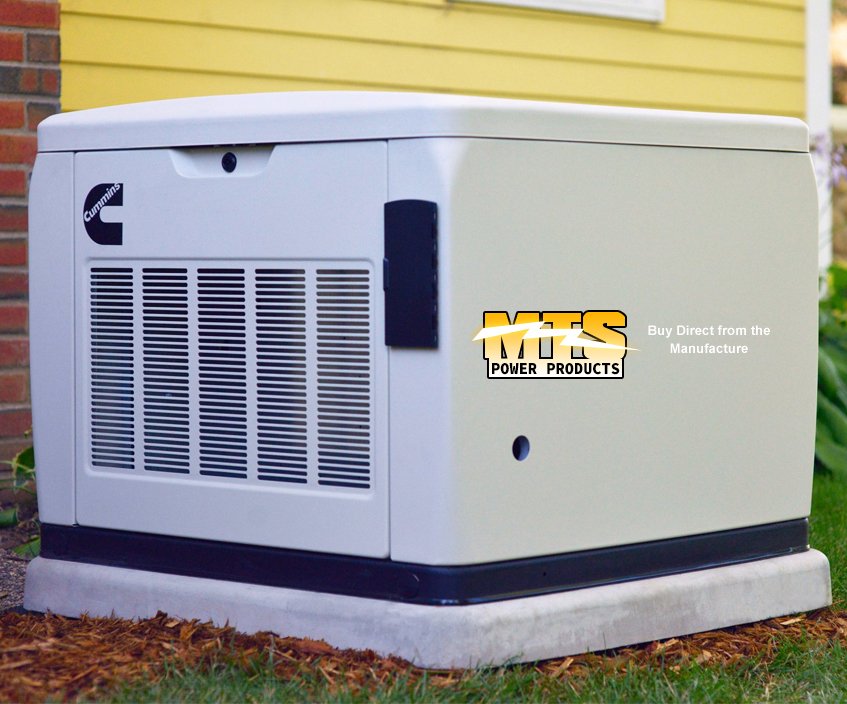
Few things disrupt modern life like a sudden power outage. The hum of your appliances falling silent, the freezer thawing, the darkness descending – it's more than inconvenient; it can be downright disruptive and even dangerous. That's where a whole home generator steps in, offering an unwavering promise of continuous power. Specifically, a propane whole home generator provides a reliable, efficient solution, especially for homes in rural areas or those without access to natural gas lines. But getting that crucial safeguard in place involves a series of critical steps.
This guide will walk you through everything you need to know about Propane Whole Home Generator Installation & Setup, from the initial planning stages to the day-to-day maintenance that keeps your system ready to perform. We'll demystify the process, explain what to expect from professionals, and equip you with the knowledge to make informed decisions for your home's energy independence.
At a Glance: Your Path to Uninterrupted Power
- Plan Ahead: Before anything else, assess your power needs and choose the right generator size.
- Location Matters: Select a safe, level spot that complies with local codes and is accessible to utilities.
- Permits are Key: Secure all necessary electrical, plumbing, and zoning permits.
- Professional Installation is Non-Negotiable: This is a complex job requiring licensed experts for safety and reliability.
- Foundation First: A concrete pad or stable base is essential for the generator's stability.
- Critical Connections: Proper electrical wiring to a transfer switch and gas line hookup are paramount.
- Test Everything: Post-installation, thorough testing ensures all systems work seamlessly.
- Routine Maintenance: Regular checks and professional service extend your generator's life and ensure readiness.
Why Propane? Understanding Your Power Peace of Mind
Choosing a whole home generator is a significant investment in your family's comfort and safety. When it comes to fuel, propane offers distinct advantages. Unlike natural gas, which relies on an unbroken pipeline, propane is stored on-site in a tank, making it an excellent choice for areas where natural gas isn't available or for those who prefer the security of an independent fuel supply. This self-contained system means your power source isn't dependent on an external grid beyond your home.
Propane is also a clean-burning fuel, which means less emissions and potentially longer engine life for your generator. It has a long shelf life, doesn't degrade like gasoline, and its tanks can be buried or discreetly placed, often out of sight. If you're exploring the specifics of this powerful option, you'll find your guide to propane whole home generators invaluable for a deeper dive into its many facets and benefits. Understanding these initial considerations sets the stage for a smooth installation process.
Before the First Shovel: Pre-Installation Essentials
The success of your generator installation hinges largely on the groundwork laid before any equipment arrives. This isn't just about picking a model; it's about a strategic assessment of your home, your needs, and local regulations.
Sizing It Right: Matching Power to Your Needs
Determining the correct generator size is the first, most crucial step. Installers often see homes with generators that are either oversized (an unnecessary expense) or, worse, undersized (unable to meet demand).
- Whole Home vs. Critical Loads: Do you need to power every single appliance, light, and HVAC unit, or just the essentials? Essential loads typically include your refrigerator, freezer, well pump, furnace, a few lights, and perhaps a crucial circuit for medical equipment. Powering your entire home offers ultimate convenience, allowing life to continue almost normally during an outage.
- The Load Calculation: Professionals perform a detailed load calculation, cataloging every electrical item you intend to power. They'll consider starting wattage (which can be much higher for motors like AC units or refrigerators) and running wattage. This isn't guesswork; it's a precise inventory that ensures your generator can handle the surge and continuous demand without tripping or struggling. Overlooking this step can lead to frustration and potential damage to your generator or appliances.
Finding the Perfect Spot: Location, Location, Location
Where your generator sits is critical for safety, efficiency, and code compliance. It's not just about aesthetics.
- Safety Codes are Paramount: Local building codes dictate minimum distances from windows, doors, vents, and combustible materials. These rules exist to prevent exhaust fumes (carbon monoxide) from entering your home and to mitigate fire risks. Typically, a generator needs to be at least 5 feet from openings and sometimes more, depending on your municipality.
- A Level, Stable Foundation: Generators are heavy, powerful machines that vibrate during operation. They require a robust, level surface, most commonly a reinforced concrete pad. This pad prevents settling, ensures proper airflow around the unit, and minimizes vibration transfer. Prefabricated composite pads are also an option for certain models and soil conditions.
- Proximity to Utilities: The ideal location will be reasonably close to your existing electrical panel and where your propane tank will be situated. This minimizes the length (and cost) of electrical wiring and gas piping runs, simplifying the installation and reducing potential points of failure. Accessibility for maintenance and refueling is also a key consideration.
Navigating the Red Tape: Permits and Regulations
Don't underestimate the importance of permits. They aren't just bureaucratic hurdles; they ensure your installation is safe, up to code, and properly inspected.
- A Multi-Faceted Approval: You'll likely need permits covering several aspects:
- Electrical Permits: To ensure all wiring is safe and properly integrated with your home's electrical system and transfer switch.
- Plumbing (Gas) Permits: To cover the installation of the propane line from the tank to the generator, ensuring leak-free and safe fuel delivery.
- Zoning Permits: To confirm the generator's placement complies with setback requirements and other local land-use rules.
- Professional Assistance is Key: Reputable generator installers are well-versed in local permit requirements. They can often handle the entire permitting process for you, from application to inspection scheduling, saving you significant time and potential headaches. Trying to manage this yourself without prior experience can lead to costly delays or rejections.
The Big Day: What to Expect During Installation
Once the planning is complete and permits are secured, the physical installation can begin. This is a multi-step process best handled by a team of licensed professionals: electricians, plumbers, and general contractors, all working in concert.
Step 1: The Expert Site Assessment
Even after initial discussions, the installation team will conduct a final, on-site assessment. This isn't redundant; it's a critical confirmation. They'll double-check the chosen generator spot, verifying distances from windows and doors, ensuring ground stability, and confirming the most efficient routes for gas and electrical connections. This also provides an opportunity to address any unforeseen issues or last-minute adjustments to ensure full compliance with local safety codes and manufacturer specifications.
Step 2: Laying the Foundation
Before the generator itself arrives, its foundation must be prepared. For most whole home units, this means pouring a reinforced concrete pad. This process involves:
- Excavation: Preparing the ground, ensuring it's level and stable.
- Formwork: Building a frame for the concrete.
- Reinforcement: Adding rebar or wire mesh for strength.
- Pouring & Curing: Pouring the concrete and allowing it to cure properly, which can take several days depending on weather and mix.
Alternatively, a heavy-duty prefabricated base might be used, which offers quicker installation but must be placed on a perfectly level, compacted surface. The foundation's integrity is vital for the generator's long-term performance and safety.
Step 3: Placing and Securing Your Generator
With the foundation ready, the generator unit itself is carefully moved into position. These units are heavy, often weighing hundreds or even thousands of pounds, requiring specialized lifting equipment. Once placed:
- Precise Alignment: The generator is meticulously aligned on the pad, ensuring it's level and positioned correctly relative to where the electrical and gas lines will connect.
- Secure Fastening: It's then securely bolted or fastened to the concrete pad according to manufacturer guidelines and local seismic codes, preventing movement, especially during operation or high winds.
Step 4: Making the Connections – Electrical
This is arguably the most complex part of the installation, requiring a licensed electrician.
- Wiring to the Home's Electrical Panel: The generator's power output needs to be safely integrated into your home's main electrical panel. This involves running heavy-gauge electrical conduit and wiring from the generator to the panel.
- The Automatic Transfer Switch (ATS): A critical component, the ATS is installed between your home's utility meter and the main electrical panel. When utility power is lost, the ATS automatically senses the outage, signals the generator to start, and then safely switches your home's electrical load from the utility grid to the generator. When utility power returns, the ATS reverses the process, shutting down the generator. This automatic functionality is what makes whole home generators so convenient and safe, preventing dangerous backfeeding into the utility lines.
Step 5: Making the Connections – Fuel
A licensed plumber or gas fitter handles the propane line installation.
- Propane Tank Placement: If you don't already have one, a new propane tank (sized appropriately for your generator's fuel consumption) will be installed, often requiring excavation for underground lines or pad for above-ground tanks.
- Gas Line Hookup: A dedicated gas line is run from the propane tank to the generator. This involves carefully sizing the pipe, ensuring proper pressure regulation, and making secure, leak-proof connections. All connections must comply with gas codes and be thoroughly tested for leaks.
Step 6: Powering Up and Testing
Before the installers leave, they perform a rigorous series of tests.
- Leak Checks: All gas connections are checked for leaks using specialized equipment.
- Transfer Switch Functionality: The utility power is simulated as "off" to verify the automatic transfer switch correctly signals the generator to start, transfers the load, and then safely switches back when utility power is "restored."
- Load Handling: The generator is run under a representative load (often by turning on various appliances in your home) to confirm it can handle the required power output without issue. This also helps break in the engine.
- System Diagnostics: Modern generators have sophisticated control panels. The installation team will check diagnostic codes, calibrate settings, and ensure all sensors are functioning correctly.
Step 7: Your Operational Walkthrough
Finally, the lead installer will conduct a comprehensive walkthrough with you. This isn't just a formality; it's your opportunity to learn about your new system. They will cover:
- Basic Operation: What the normal operating indicators look like.
- Manual Start/Stop: How to manually start and stop the unit if ever needed (though it's designed to be automatic).
- Emergency Shutdown Procedures: Critical safety steps in case of a malfunction.
- Control Panel Features: How to read alerts, check status, and understand basic settings.
- Initial Maintenance: What simple visual checks you might perform.
- Q&A: A dedicated time for you to ask any questions you have.
This walkthrough is essential for feeling confident and prepared, especially as you begin to familiarize yourself with your new investment. For those wanting to delve deeper into the system itself, this resource on propane whole home generators offers more detailed operational insights.
After the Install: Your Post-Setup Checklist
The installation day might be over, but your role in ensuring its long-term reliability is just beginning. A thorough post-installation checklist helps validate everything is perfect and sets you up for hassle-free ownership.
Initial System Validation: Testing for Peace of Mind
Even after the installer's tests, it's wise to understand what makes your system truly validated.
- Automatic Transfer Switch Confirmation: Pay attention during the first scheduled self-test (usually weekly). Does the generator start, run, and shut down smoothly? Does it successfully transfer a load to itself and back to utility power? This consistent, automatic action is the heart of your system.
- Seamless Power Flow: When the system cycles, you shouldn't notice flickering or interruption. Power should transition smoothly from utility to generator and vice-versa, confirming proper synchronization and load handling.
- Load Handling Verification: Over the first few weeks, observe how your generator performs during its self-tests, especially if it runs for an extended period. Note any unusual noises or alerts. This confirms it can sustain the necessary power output without strain.
The Critical Safety Check
Your safety is paramount. After installation, take a moment to confirm key safety aspects.
- Gas and Electrical Connections: Visually inspect all accessible gas and electrical connections for any signs of looseness or damage. While professionals seal and test everything, a quick visual check for peace of mind is always good.
- Proper Airflow: Ensure there's nothing obstructing the generator's intake or exhaust vents. Adequate airflow is crucial for cooling the unit and dispersing exhaust fumes safely. Keep the area around the generator clear of debris, overgrown vegetation, or stored items.
Customizing Your Power Pal: Programmable Features
Modern propane whole home generators come with smart features designed to make ownership easier.
- Self-Test Schedules: Most units can be programmed to run a short diagnostic test weekly or bi-weekly. This "exercise" keeps the engine lubricated and ready. You can often customize the day and time to minimize noise during inconvenient hours.
- Maintenance Alerts: Set up email or text alerts for routine maintenance (e.g., "time for an oil change") or critical system notifications (e.g., "low fuel," "maintenance needed"). These proactive reminders are invaluable for staying on top of your generator's health.
Getting Comfortable: Final Operational Briefing
Your installer should have given you a walkthrough, but reinforce that knowledge for yourself.
- Manual Starting Procedure: While automatic, knowing how to manually start your generator is a critical skill for troubleshooting or specific maintenance tasks. Practice it once with your installer present, if possible.
- Monitoring Issues: Familiarize yourself with the control panel's display. What do the different lights or error codes mean? Knowing where to find this information in your manual is essential for quick problem identification.
- Essential Maintenance Basics: Understand the very simple checks you can do yourself, such as checking oil levels or ensuring the fuel shut-off valve is accessible. This empowers you to address minor issues or simply monitor your unit's status.
Paperwork and Protection: Documentation You Need
Keep all documentation organized and accessible. It’s your generator’s life story and essential for any future needs.
- Warranty Information: Understand what your generator's warranty covers, for how long, and what actions might void it.
- Maintenance Guide: This manual is your bible for recommended service intervals, fluid types, and troubleshooting steps. Keep it handy.
- Permits and Inspection Reports: These documents confirm your installation is legal and safe, which can be important for insurance purposes or if you ever sell your home.
Keeping It Running Smoothly: Essential Maintenance & Long-Term Care
A whole home generator is like any other engine-driven appliance; it needs consistent care to perform reliably when you need it most. Neglecting maintenance is the fastest way to turn a crucial investment into a costly frustration.
Your Regular Maintenance Schedule: Stay on Track
Adhering to the manufacturer’s recommended maintenance schedule is non-negotiable for longevity and reliable operation. This typically involves:
- Oil and Filter Changes: Just like your car, the engine oil and oil filter need regular replacement (usually every 100-200 operating hours or annually, whichever comes first) to keep the engine lubricated and free of contaminants.
- Spark Plug Inspection/Replacement: Spark plugs are vital for combustion. Inspect them for wear and proper gap, replacing them as recommended to ensure efficient ignition.
- Air Filter Check: A clean air filter is essential for proper engine breathing. Check it regularly and replace it when it appears dirty or clogged.
- General Wear and Tear: Look for frayed belts, loose wiring, or any signs of corrosion on terminals or components. Early detection can prevent more significant problems.
The Weekly Self-Test: A Little Exercise Goes a Long Way
Most modern whole home generators are programmed to run a short diagnostic self-test, often for 10-20 minutes, usually once a week.
- Why It Matters: This "exercise" serves several purposes: it keeps the engine's internal components lubricated, burns off moisture, confirms the battery is charged, and ensures the control panel and transfer switch are operational.
- Manual Runs: If your unit doesn't have an automatic self-test feature, or you want to be extra diligent, manually run it for a similar duration once a month. This ensures it's always ready to spring into action.
Post-Outage Care: After the Emergency
After an extended power outage where your generator has been working hard, a little extra attention is warranted.
- Check Oil Levels: Prolonged operation can consume some oil. Check the dipstick and top off if necessary.
- Inspect for Leaks: Look for any signs of oil, fuel, or coolant leaks around the unit.
- Air Filter Condition: Extended running can draw in more dust and debris. Check the air filter and clean or replace it if it looks excessively dirty.
- Monitor Performance: Pay attention to any unusual sounds or smells immediately after the outage, as these could indicate a component under stress.
Annual Professional Tune-Up: The Expert Touch
While you can handle basic checks, an annual visit from a certified generator technician is highly recommended.
- Comprehensive Checks: Professionals perform a much more thorough inspection, including valve adjustments, battery load tests, fuel system checks (including the propane regulator and tank connections), and a detailed diagnostic scan of the control unit.
- Efficiency Assessments: They can identify small issues before they become major problems, ensuring your generator operates at peak efficiency and reliability. Many service plans offer priority scheduling during emergencies and cover preventative maintenance. For homeowners wanting comprehensive details on year-round care, consulting a comprehensive guide on propane whole home generators provides excellent insights into maintaining optimal performance.
Seasonal Preparedness: Planning Ahead
Being proactive before peak outage seasons is a smart move.
- Winter Preparation: Before freezing temperatures hit, ensure your generator has appropriate engine oil for cold weather, a strong battery, and possibly a battery warmer or block heater for extreme cold starts. Check that the propane tank is filled, as cold weather can affect vapor pressure.
- Hurricane/Storm Season: Ensure your propane tank is topped off well in advance of a predicted major storm. Stock up on extra oil, filters, and any specific spare parts recommended by your installer. Perform a full checkup a few weeks prior to hurricane season to confirm everything is in top working order.
Common Questions About Propane Whole Home Generators
It's natural to have questions about such a significant home system. Here are some of the most frequently asked:
How long does installation take?
Typically, a standard propane whole home generator installation takes 1 to 3 days of on-site work, depending on the complexity of the electrical and gas lines, the foundation requirements, and whether a new propane tank needs to be installed. However, the entire process, including permits and scheduling, can take several weeks or even a few months.
Can I install it myself?
No. Propane whole home generator installation is not a DIY project. It involves complex electrical wiring, gas line connections, and adherence to strict safety codes that require licensed electricians, plumbers/gas fitters, and specialized equipment. Attempting a DIY installation is extremely dangerous, illegal in most areas, and will void your generator's warranty. Always hire certified professionals.
What's the typical cost?
The total cost for a propane whole home generator installation can range significantly, from $7,000 to $20,000+, including the unit itself, transfer switch, concrete pad, electrical wiring, gas line, permits, and professional labor. Factors like generator size, specific site challenges, and local labor rates influence the final price.
How much propane will it use?
Propane consumption varies greatly by generator size and the load it's carrying. A typical 20kW generator running at half load might use about 1-2 gallons of propane per hour. At full load, it could consume 3-4 gallons per hour or more. A 500-gallon propane tank is a common choice, offering several days of continuous run time for most homes under typical outage conditions.
Is a concrete pad always necessary?
For most whole home generators, a concrete pad is highly recommended for stability, vibration dampening, and proper airflow. Some smaller units might allow for a reinforced gravel base or a prefabricated composite pad on stable soil, but this should always be determined and approved by your installer and local codes.
What about noise?
Whole home generators produce noise, typically in the range of 60-70 decibels (similar to a conversation or an air conditioner) when running. Modern units are designed with sound-attenuating enclosures to minimize this. Placement away from windows, doors, and property lines is important to comply with local noise ordinances and maintain neighborly relations.
Making the Right Choice: Partnering with the Pros
Investing in a propane whole home generator is an investment in peace of mind. It means your family stays safe, comfortable, and connected, no matter what Mother Nature throws your way. But the pathway to that reliability is paved with professional expertise. From the initial site assessment and sizing to the intricate electrical and gas connections, and critically, through the ongoing maintenance, partnering with certified and experienced installers is not just a recommendation—it's a requirement for safety, compliance, and lasting performance.
Don't settle for anything less than a fully permitted, professionally installed, and meticulously tested system. When you choose to protect your home with a propane generator, you're not just buying a piece of equipment; you're buying assurance. Work with a trusted team, understand your system, and you'll be ready for any outage that comes your way.