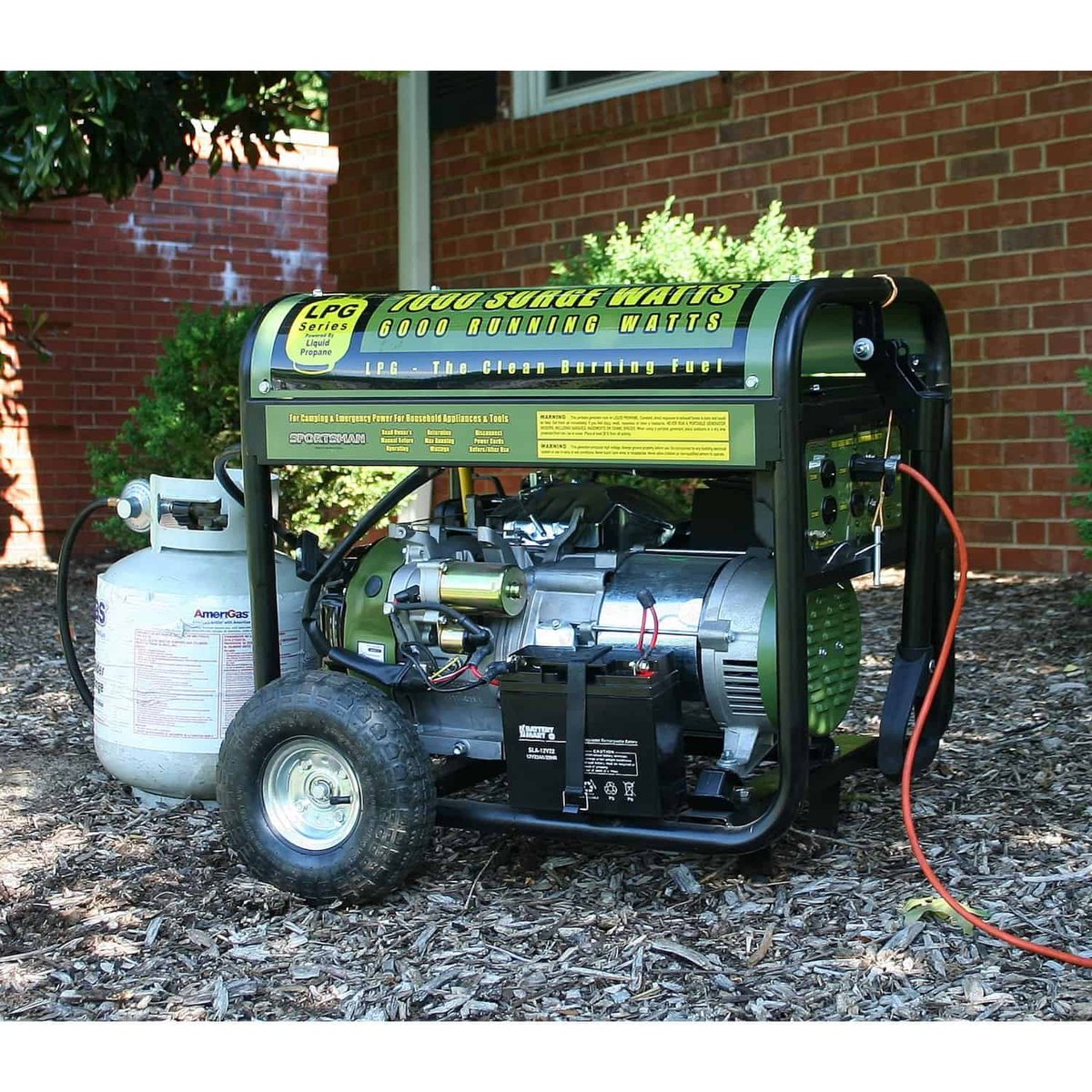
A whole home generator is more than just a convenience; it's a significant investment in your peace of mind, protecting your family and property during power outages. But like any complex machinery, maximizing your Propane Whole Home Generator Troubleshooting & Longevity requires understanding its nuances, performing diligent maintenance, and knowing what to do when things don't go as planned. Think of it as caring for a trusty, silent guardian that waits patiently to spring into action—you want it ready, reliable, and roaring for decades to come.
At a Glance: Key Takeaways for Generator Longevity
- Lifespan Expectations: Modern standby generators can last 15-25 years or 2,500-3,000 operating hours, with premium or liquid-cooled models extending to 30 years and 10,000 hours.
- Maintenance is King: Consistent, manufacturer-recommended maintenance (oil changes, filter replacements, battery checks) is the single most critical factor in extending your generator's life.
- Run It Regularly: Monthly exercise cycles lubricate components, charge the battery, and ensure readiness.
- Know Your Signs: Pay attention to unusual noises, excessive smoke, frequent repairs, or difficulty starting—these can signal impending issues or end-of-life.
- Protect Your Investment: Proper installation, environmental protection, and timely troubleshooting can prevent minor issues from becoming major headaches.
Your Home's Unsung Hero: Understanding Generator Lifespan and Value
You've made a smart choice investing in a propane whole home generator, a system designed to seamlessly kick in when the grid goes dark. These robust machines, typically costing between $5,000 and $15,000 installed, are built for resilience. With the right care, a modern standby generator isn't a short-term fix; it's a long-term asset, capable of providing reliable backup power for 20 years or even more.
The lifespan of your generator is often measured in two ways: calendar years and running hours. Most residential standby generators are engineered for a benchmark of 2,500 to 3,000 operating hours before major overhauls or replacement might be needed. To put that into perspective, if your generator runs for, say, 60-75 hours annually—covering a few significant multi-day outages and its weekly 12-minute self-tests—its engine could theoretically last 30-40 years before hitting its operational hour limit. This illustrates the incredible potential for longevity with proper stewardship.
Not all generators are created equal, and their expected service life can vary:
- Premium Standby Models (e.g., Cummins, Kohler): Often designed for 20-25 years or 3,000-5,000 operating hours.
- Standard Standby Models (e.g., Generac, Briggs & Stratton): Generally offer 15-20 years or 2,500-3,000 operating hours.
- Value-Tier Standby Units: Typically come with an expectation of 10-15 years or 1,500-2,500 operating hours.
- Liquid-Cooled Models: These often boast superior durability, reaching 20-30 years or an impressive 5,000-10,000 operating hours.
Ultimately, your generator's actual lifespan is a direct reflection of how it's used, the environment it operates in, and critically, the maintenance it receives.
The Pillars of Longevity: What Truly Drives a Generator's Lifespan?
Understanding the core factors that influence your generator's lifespan empowers you to take proactive steps, transforming potential decades of service into a reliable reality.
1. Meticulous Maintenance Practices
This isn't just a suggestion; it's the most critical factor in generator longevity. Consistent, proactive maintenance can easily extend your unit's life by 5-10 years. This includes:
- Oil and Filter Changes: Just like your car, your generator's engine oil degrades over time and use. Regular oil changes (every 100-200 operating hours or annually, whichever comes first) with high-quality, manufacturer-recommended oil prevent premature wear. Don't forget the oil filter!
- Air Filter Replacement: A clean air filter is vital for proper combustion and engine efficiency. Replace it annually or more frequently in dusty environments.
- Spark Plug Inspection/Replacement: Healthy spark plugs ensure efficient fuel ignition. Inspect them annually for wear or fouling and replace as needed.
- Battery Testing and Replacement: The starting battery is crucial. Test it regularly and replace it every 2-3 years, or when it shows signs of weakening. A trickle charger can help maintain its charge.
- Cooling System Maintenance: For liquid-cooled models, this means coolant level checks and replacements. For air-cooled units, ensuring cooling fins are clean and unobstructed is key.
- Fuel System Checks (for Propane): Regularly inspect the propane lines, regulator, and connections for leaks or damage. Ensure your propane tank is adequately sized and maintained.
2. Usage Patterns and Habits
How you use your generator significantly impacts its wear and tear.
- Frequency and Intensity: Frequent, prolonged use or operating the generator consistently at very high loads (>75% capacity) will accelerate wear compared to intermittent, moderate use.
- Exercise Cycles: The weekly or bi-weekly self-test is more than just a check—it's essential for longevity. These short runs (typically 12-15 minutes) lubricate engine components, keep seals supple, and ensure the battery stays charged. Skipping these can actually reduce lifespan due to disuse.
3. Generator Quality and Design
The initial quality of your generator plays a foundational role.
- Engine Type: Commercial-grade engines and liquid-cooled systems generally possess greater durability and a longer lifespan than consumer-grade, air-cooled units.
- Components and Enclosure: Premium models often incorporate higher-quality internal components and may feature all-aluminum enclosures for superior corrosion resistance, especially compared to steel enclosures.
4. Environmental Conditions
Your generator's surroundings can be surprisingly harsh.
- Extreme Weather: High humidity, salt air (for coastal homes), extreme heat, biting cold, or dusty conditions can accelerate corrosion, degrade components, and impact performance. Protection from these elements is vital.
5. Professional Installation
The foundation of a long-lasting generator begins with proper installation. A qualified professional ensures correct sizing, optimal placement for ventilation and safety, and secure electrical and fuel connections. Incorrect installation can lead to undue stress on components, safety hazards, and premature failure.
6. Storage and Handling
While most whole home generators are permanently installed, general principles of care apply. Using a dedicated generator cover, ensuring it's on a stable, dry surface, and following manufacturer guidelines for its placement enhance its durability and protect it from environmental damage.
Common Troubleshooting Scenarios: When Your Guardian Needs a Little Help
Even with the best maintenance, sometimes your generator might throw you a curveball. Knowing how to identify common issues and take initial steps can save you time and money, or at least help you describe the problem accurately to a professional. Remember, safety first: always consult your owner's manual and disconnect power before any hands-on inspection.
1. The Generator Won't Start
This is perhaps the most common and frustrating issue.
- Common Causes:
- Dead Battery: The most frequent culprit. The battery may be dead, corroded, or disconnected.
- Low Propane Level: Is your tank empty or nearly so? Check the gauge. Also, ensure the main shut-off valve on the tank is fully open.
- Faulty Spark Plugs: Fouled or damaged spark plugs can prevent ignition.
- Clogged Fuel Line/Regulator: While less common with propane, a faulty regulator or an obstruction can starve the engine.
- Safety Shutdown: The generator may have shut down due to low oil pressure, overheating, or another fault (check diagnostic codes if available).
- Controller Issues: A problem with the control panel or wiring.
- Initial Checks:
- Verify the battery connections are clean and tight. Try jumping the battery if possible (follow manual instructions carefully).
- Check your propane tank level and ensure the valve is open.
- Look for any fault codes displayed on the generator's control panel.
- Ensure the generator's main circuit breaker is not tripped.
- When to Call a Pro: If the battery is fine, propane supply is confirmed, and there are no obvious fault codes, or if you're unsure about any step.
2. Generator Starts But Shuts Down Quickly
This indicates an underlying operational issue that the generator's safety systems are detecting.
- Common Causes:
- Low Oil Pressure: A critical safety feature. Check the oil level.
- Overheating: Blocked air vents, low coolant (liquid-cooled), or prolonged high-load operation.
- Faulty Sensors: A sensor (e.g., oil pressure, temperature) might be failing and reporting an incorrect fault.
- Fuel Supply Issue: Inconsistent propane flow (e.g., partially closed valve, failing regulator).
- Initial Checks:
- Check the oil level immediately.
- Inspect cooling vents for obstructions (leaves, debris).
- Note any fault codes displayed before it shuts down.
- When to Call a Pro: If oil and cooling seem fine, or if a fault code persists. This often points to a sensor, regulator, or internal engine issue.
3. Low or No Power Output
Your generator is running, but your home isn't getting power, or appliances are struggling.
- Common Causes:
- Tripped Breakers: Both on the generator itself and in your home's main electrical panel.
- Overload: The generator is attempting to supply more power than it's rated for.
- Faulty Automatic Transfer Switch (ATS): The switch isn't correctly transferring power.
- Wiring Issue: Damaged wiring between the generator, ATS, and main panel.
- Generator Component Failure: A failing alternator or voltage regulator within the generator.
- Initial Checks:
- Check all breakers on both the generator and your home's electrical panel. Reset any tripped ones.
- Try reducing the load on the generator by turning off non-essential appliances.
- Look at the generator's display for voltage output readings if available.
- When to Call a Pro: If breakers are fine, the load is manageable, and there's still no or low output. This almost certainly requires an electrician or generator technician.
4. Unusual Noises or Vibrations
Generators make noise, but changes in pitch, clunking, grinding, or excessive shaking are red flags.
- Common Causes:
- Loose Components: Bolts, covers, or internal parts could be loose.
- Worn Bearings: In the engine or alternator.
- Belts: Frayed or loose belts in liquid-cooled systems.
- Exhaust System Issue: A loose muffler or exhaust pipe.
- Engine Problems: More serious internal engine wear.
- Initial Checks:
- Visually inspect the generator's exterior for loose panels or components.
- Listen carefully to pinpoint the source of the sound (though don't get too close to moving parts).
- When to Call a Pro: Immediately. Unusual noises often signal mechanical issues that can worsen rapidly and lead to catastrophic failure.
5. Excessive or Unusual Exhaust Smoke
A small puff of white smoke on startup is often normal, but persistent or colored smoke is not.
- Common Causes:
- Blue Smoke: Burning oil, often indicating worn piston rings, valve guides, or an overfilled crankcase.
- Black Smoke: Incomplete combustion, potentially due to a rich fuel mixture (less common with propane), clogged air filter, or an overloaded generator.
- White Smoke: Can be normal on cold starts. Persistent white smoke might indicate coolant burning (liquid-cooled models) or moisture in the exhaust.
- Initial Checks:
- Check the oil level (for blue smoke).
- Inspect and clean/replace the air filter (for black smoke).
- Ensure the generator isn't overloaded.
- When to Call a Pro: For any persistent, colored smoke. These are clear indicators of engine problems that need professional diagnosis.
6. Self-Test Failures
Your generator's weekly or bi-weekly exercise cycle is crucial. If it consistently fails or skips these tests, investigate.
- Common Causes:
- Control Panel Settings: Incorrectly programmed schedule.
- Low Battery: Not enough juice to crank.
- Minor Faults: A persistent minor issue (like a sensitive sensor) preventing the test from completing.
- Propane Supply: Issues with the fuel delivery.
- Initial Checks:
- Verify the exercise schedule in the control panel.
- Check the battery voltage.
- Ensure propane supply is adequate and valves are open.
- When to Call a Pro: If the self-test continues to fail after basic checks. It indicates the generator isn't truly "ready."
The Proactive Path to Max Lifespan: A Maintenance Masterclass
The best troubleshooting is the kind you avoid. A robust, consistent maintenance schedule is your shield against premature wear and unexpected failures. When considering how to get the most out of your generator, preventive care isn't just a suggestion, it's a mandate. For more detailed insights into specific maintenance tasks, you might find a comprehensive generator maintenance guide particularly helpful.
1. Become a Routine Self-Inspector
Your eyes and ears are powerful diagnostic tools. Make it a habit to:
- Check for Leaks: Look for oil, coolant (if liquid-cooled), or propane odors around the unit and connections.
- Inspect Hoses and Belts: Ensure hoses are supple, not cracked or brittle, and belts (on liquid-cooled units) are tight and free from fraying.
- Examine Connections: Check for loose wires, corroded terminals, or damaged insulation.
- Clear Debris: Ensure cooling fins and air intakes are free of leaves, dust, and spiderwebs.
2. Embrace the Exercise Cycle
As mentioned, running your generator for approximately 30 minutes at least once a month (often automatically scheduled) is non-negotiable. This isn't just a test; it's a conditioning session that:
- Charges the battery.
- Lubricates engine components, preventing rust and seizing.
- Circulates oil and fuel, preventing stagnation.
- Helps you identify potential issues before an actual outage.
3. Oil and Filter Changes: The Lifeblood
- Schedule: Adhere strictly to manufacturer recommendations—typically every 100-200 operating hours or annually, whichever comes first.
- Quality Matters: Always use the manufacturer-recommended grade of oil. Many experts recommend synthetic oil for its superior protection across a wider temperature range, offering better performance and potentially extending engine life. Don't forget to replace the oil filter at the same time.
4. Nurture the Battery
- Keep it Charged: A trickle charger or the generator's own charging system should keep it topped off, but manually check terminal connections for corrosion and tightness.
- Test and Replace: Test the battery annually with a load tester. Most generator batteries need replacement every 2-3 years, regardless of how rarely they're used.
5. Spark Plug Health
- Inspect Annually: Remove spark plugs, inspect for carbon buildup, electrode wear, or damage. Clean or replace them as needed. Correct gapping is crucial.
6. Cooling System Vigilance
- Air-Cooled Units: Focus on keeping air intakes and cooling fins clean and unobstructed. Overheating is a primary killer of air-cooled engines.
- Liquid-Cooled Units: Check coolant levels regularly. Replace coolant according to manufacturer guidelines and inspect hoses for leaks.
7. Protect from the Elements
While designed for outdoor use, your generator still benefits from protection.
- Proper Enclosure: Ensure the factory enclosure is in good condition, free of rust or damage.
- Generator Cover: Consider a fitted, breathable generator cover for additional protection against harsh weather, UV, and debris when not in operation.
- Cleanliness: Regularly wipe down the exterior and ensure the base pad is clean and dry.
8. Keep a Maintenance Log
A simple notebook or spreadsheet documenting all maintenance activities, repairs, and service checks is invaluable. This log helps track service intervals, provides a history for technicians, and can even boost resale value.
9. Consider a Professional Maintenance Contract
For ultimate peace of mind and to ensure your generator receives expert care, a maintenance contract with a qualified dealer is an excellent investment. These contracts ensure regular service by certified technicians who can spot subtle issues before they become major problems.
10. Install a Quality Surge Protector
When utility power returns, there can sometimes be voltage spikes. A whole-home surge protector can safeguard your generator (and your home's appliances) from potential damage caused by these surges.
Recognizing the End of the Road: Signs Your Generator is Nearing Retirement
Even with flawless maintenance, every machine eventually reaches its limits. Knowing the signs that your generator may be nearing its end-of-life can help you plan for replacement rather than being caught unprepared.
- Increasing Frequency of Repairs: If you're calling a technician more often, and repair costs are mounting, it's a strong indicator.
- Difficulty Maintaining Proper Voltage Output: Fluctuating or consistently low voltage can damage connected appliances and indicates internal component wear.
- Excessive Smoke or Unusual Exhaust Color: As discussed earlier, persistent blue or black smoke often points to significant engine wear.
- Significant Oil Consumption: If you're constantly adding oil between changes, it suggests worn piston rings or valve seals.
- Trouble Starting or Running Self-Tests: If even with a good battery and fuel, starting becomes a struggle, critical engine components may be failing.
- Unusual Noises/Vibrations: Persistent knocking, grinding, or excessive shaking that can't be resolved with simple fixes suggests major internal wear.
- Rust or Corrosion Affecting Structural Integrity: Beyond surface rust, if corrosion is compromising the frame, enclosure, or critical mounting points, it's a safety and functional concern.
- Unavailability of Parts: For very old models, finding replacement parts can become difficult or impossible, making repairs impractical.
When these signs become prevalent, it’s time to start thinking about replacing your unit. While the upfront cost is significant, compare it to the cumulative cost of ongoing repairs and the decreasing reliability of an aging unit. Exploring various propane whole home generators can help you understand the latest features and efficiency gains in newer models.
Your Generator, Your Peace of Mind
Your propane whole home generator is a formidable defense against power disruptions. It’s an investment that pays dividends in comfort, safety, and security. By actively engaging in routine maintenance, understanding basic troubleshooting, and recognizing the signs of an aging unit, you're not just ensuring its longevity; you're safeguarding your family's well-being and maximizing the return on your investment for decades to come. Don't wait for the next storm to test your generator's readiness—be proactive, stay informed, and enjoy the unwavering peace of mind it provides.