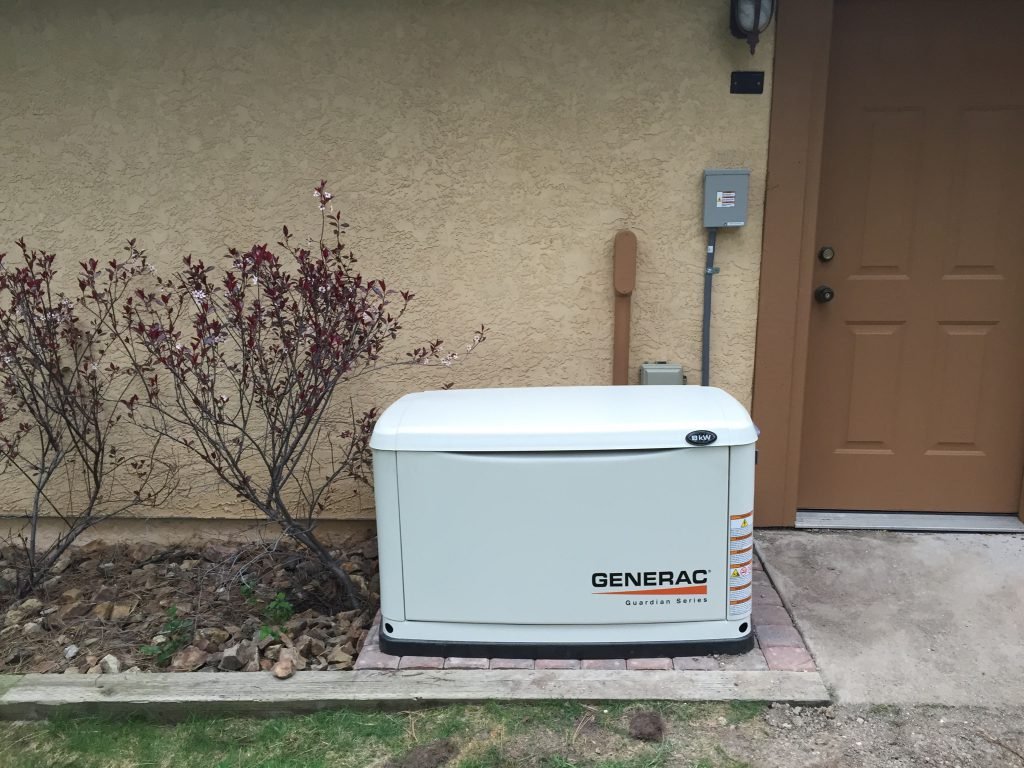
When the lights go out, a whole home generator can feel like a superhero swooping in to save the day. But before you invite this powerful guardian into your home, you need to navigate the critical landscape of Safety, Regulations & Permits for Whole Home Generators. Ignoring these guidelines isn't just risky; it can lead to hefty fines, dangerous situations, and even voided warranties. This isn't just about red tape; it's about protecting your family, your property, and your investment.
Think of it like building an addition to your house. You wouldn't just start digging. You'd talk to the city, get blueprints approved, and ensure everything meets code. A whole home generator is a significant electrical and fuel-connected appliance, and it deserves the same diligent approach.
At a Glance: Your Quick Guide to Generator Compliance
- Permits are almost always required. Check with your local building department, even in unincorporated areas. Expect to need building, electrical, and fire permits.
- Placement is paramount. Generators have strict distance requirements from windows, doors, property lines, and fuel sources to prevent hazards.
- Emissions matter. States like California have stringent air quality standards (CARB), but general EPA guidelines apply nationwide.
- Noise ordinances are real. Local regulations often dictate when and how long you can run your generator, especially in residential zones.
- Professional installation is non-negotiable. This isn't a DIY project; certified electricians and plumbers ensure safety and code compliance.
- Regular maintenance is key. Beyond performance, it ensures ongoing safety and adherence to operational standards.
Why Permits Aren't Just Bureaucracy—They're Your Lifeline
It's tempting to think of permits as an annoying hurdle designed to slow you down and cost you money. In reality, they're a foundational layer of protection. Permits ensure that your whole home generator is installed safely, correctly, and in a way that protects both your property and your neighbors.
Local building departments issue permits to ensure installations comply with federal, state, and local safety codes. These codes cover everything from the structural integrity of the generator's pad to the intricacies of its electrical connections and fuel lines. Without proper permits and inspections, you're not just risking fines; you're risking:
- Fire hazards: Improper fuel line connections or inadequate ventilation.
- Electrical shock: Incorrect wiring or grounding can electrify your home or even the grid (backfeeding).
- Carbon monoxide poisoning: If exhaust isn't properly vented away from occupied spaces.
- Voided insurance claims: Many insurance policies require code-compliant installations.
- Reduced home value: Unpermitted installations can be a major red flag for future buyers, potentially requiring costly remediation.
In short, permits are your peace of mind. They signify that a qualified professional has reviewed and approved your installation plan, and that the work itself will be inspected to confirm it meets rigorous safety standards.
Decoding the Permit Maze: What You'll Likely Need
Navigating the local permit process can feel like a bureaucratic labyrinth, but breaking it down makes it manageable. While requirements vary, you can generally expect to need a combination of permits:
1. Building Permits
A building permit covers the physical structure and placement of your generator. This might include:
- Pad construction: Ensuring the generator's foundation is stable and level.
- Enclosure or cover: If you plan to build a structure around the generator, it will need to meet specific codes for ventilation and fire safety.
- Clearance requirements: Verification that the generator is positioned at safe distances from your home, property lines, windows, and doors.
2. Electrical Permits
This is perhaps the most critical permit. A whole home generator ties directly into your home's electrical system, often through an automatic transfer switch (ATS). An electrical permit ensures:
- Proper wiring: All connections are made safely and to code, preventing shorts or overloads.
- Correct grounding: Essential for safety and protection against power surges.
- Prevention of backfeeding: This is where electricity from your generator could flow back into the utility grid, posing a serious electrocution risk to utility workers. The automatic transfer switch is a key component here, ensuring your home is completely disconnected from the grid during operation.
3. Fire Permits
Given that generators typically run on combustible fuels like natural gas or propane, fire permits are often mandatory. These permits focus on:
- Fuel line installation: Ensuring gas lines are properly sized, installed, and pressure-tested by a licensed plumber.
- Fuel storage (for propane): If you're installing a large propane tank, there will be strict rules regarding its distance from your home, property lines, and other structures.
- Ventilation: Confirming the generator has adequate airflow to dissipate heat and safely exhaust fumes.
Expect these permits to incur costs, which vary widely by municipality. In some cases, a permit application might be granted with specific limitations or, in rare instances, even rejected if the proposed installation doesn't meet local codes or zoning restrictions. This underscores the importance of consulting with a qualified installer who is familiar with local regulations before you even purchase your unit.
Generator Placement: The Golden Rules for Safety & Compliance
Where you put your generator isn't just about convenience; it's a critical safety and compliance decision. The National Fire Protection Association (NFPA) provides foundational codes, but local regulations often add additional layers. Ignoring these can lead to carbon monoxide hazards, fire risks, and a failed inspection.
Here’s a breakdown of the key placement rules:
- Distance from External Openings: Your generator's exhaust contains carbon monoxide, an odorless, colorless, and deadly gas. Therefore, generators must be placed a minimum distance (often 5-7 feet, check local code) from any windows, doors, vents, or other openings that could allow fumes to enter your home or a neighbor's. This includes decks, porches, and any other structures that could trap exhaust.
- Away from Potential Water Sources: While standby generators are designed to withstand outdoor conditions, they should not be placed in areas prone to flooding or excessive moisture. This protects the electrical components and prevents corrosion.
- Clear of Utility Company Access: Ensure your generator doesn't obstruct access to utility meters (gas, electric) or other utility equipment. Technicians need clear, unobstructed access for maintenance and emergencies.
- Unobscured from All Angles (Including Above): The generator needs adequate clearance for ventilation and cooling. Don't box it in with dense shrubbery or build overhead structures without ensuring proper airflow. This also makes it easier for technicians to perform essential generator maintenance tips.
- Proximity to Fuel and Electricity: While safety distances are paramount, practical considerations also matter. The generator should be reasonably close to your natural gas line or propane tank and the electrical service panel to minimize installation costs and ensure efficient operation.
- Homeowners’ Association (HOA) Rules: Don't forget your HOA! Many communities have specific covenants regarding generator placement, noise levels, and even aesthetic requirements (e.g., specific screening). Always check these rules before planning your installation. Overlooking these can lead to disputes, fines, or even forced removal.
- Property Line Setbacks: Just like any other structure on your property, generators must adhere to local setback requirements, ensuring they are a specified distance from property lines.
- Sound Considerations: Generators, especially under load, can be noisy. Placement away from bedrooms (yours and your neighbors'), patios, or gathering areas can help mitigate sound complaints. Some manufacturers offer sound-attenuating enclosures.
Making poor choices here is one of the common generator installation mistakes to avoid. A qualified installer will help you map out the optimal, code-compliant location on your property.
Fuel Storage and Lines: A Critical Safety Consideration
The type of fuel your generator uses directly impacts safety regulations. Whether you're considering Your guide to propane whole home generators or a natural gas unit, the handling and delivery of fuel are tightly regulated. Understanding these rules is crucial for preventing leaks, fires, and explosions.
Natural Gas Generators
These generators connect directly to your home's existing natural gas line. Regulations here primarily focus on:
- Professional Installation: A licensed plumber must install and connect the gas line, ensuring it's properly sized to handle the generator's demand and that all connections are leak-free and secure.
- Shut-off Valves: Easily accessible shut-off valves are required at the point of connection to the generator.
- Permits and Inspections: As mentioned, electrical and fire permits will cover the gas line installation, requiring inspections to verify compliance with local codes.
Propane Generators
Propane generators require an external tank. While convenient for those without natural gas access, propane comes with its own set of strict rules:
- Tank Sizing and Placement: Propane tanks have specific setback requirements from your home, property lines, and ignition sources. The size of the tank (e.g., 250-gallon, 500-gallon) will influence these distances.
- Anchoring: Tanks must be securely anchored to prevent movement due to wind or seismic activity.
- Gas Line Installation: Similar to natural gas, a licensed professional must install the gas lines from the tank to the generator, ensuring proper sizing, materials, and pressure testing.
- Venting: Propane is heavier than air, so proper ventilation is crucial if the tank is near any enclosed spaces.
- Local Fire Codes: Local fire departments often have specific regulations for propane storage, especially for larger tanks.
- Understanding generator fuel types like propane is vital for knowing how to handle its storage and supply safely and compliantly.
Regardless of fuel type, never attempt to install or connect fuel lines yourself. This is specialized work that demands professional expertise to avoid catastrophic accidents.
Emissions & Environmental Compliance: The Air You Breathe
While the immediate safety concerns often focus on fire and electrical hazards, the environmental impact of generators—specifically their emissions—is a growing area of regulation. These rules protect air quality and public health.
The primary regulatory body in the United States for emissions is the Environmental Protection Agency (EPA). The EPA sets national standards for various pollutants, including those emitted by internal combustion engines found in generators. Manufacturers must ensure their generators meet these standards, and you'll typically find compliance certifications with new units.
However, some states, like California, have significantly stricter regulations. The California Air Resources Board (CARB) is a trailblazer in setting stringent emissions standards for all generators sold and operated in the state. These standards are often more rigorous than federal EPA guidelines, aiming to reduce smog, particulate matter, and greenhouse gas emissions.
What CARB compliance means for you:
- Certified Generators: If you're in California (or sometimes other states that adopt CARB standards), your generator must be CARB-certified. Manufacturers provide compliance certifications to demonstrate this.
- Increased Costs: Meeting these stricter standards can sometimes translate to higher upfront costs for CARB-compliant generators due to advanced emissions control technology.
- Ongoing Updates: California's generator laws are dynamic, with recent updates focusing on even stricter emissions regulations. This means what was compliant yesterday might be subject to new rules today.
Even if you're not in California, understanding these regulations is important. Environmental concerns are driving similar legislative changes across the country. Always verify that the generator you purchase meets the current emissions standards for your specific location. Non-compliance can lead to fines ranging from $500 to $10,000 in stricter jurisdictions.
Noise Ordinances: Keeping the Peace (and Your Neighbors Happy)
A generator, by its nature, produces sound. While it's a welcome sound during a power outage, persistent noise can quickly become a nuisance—and a violation of local ordinances. Noise restrictions are common, especially in residential areas, and vary significantly by municipality.
These regulations often dictate:
- Decibel Levels: The maximum permissible noise level (measured in decibels, dB) at your property line or a specific distance from the generator.
- Operating Hours: Specific times when generator operation is restricted. For example, some towns might allow continuous operation during a declared emergency but limit routine testing to specific daytime hours on weekdays.
- Frequency of Testing: How often and for how long you can run your generator for routine maintenance checks.
What you need to do:
- Check Local Ordinances: Before purchasing and installing a generator, thoroughly research your local noise ordinances. Your building department or city clerk's office can provide this information.
- Consider Generator dB Rating: Manufacturers provide a decibel rating for their generators. Factor this into your decision-making process when choosing the right generator for your home, especially if you have close neighbors or strict local rules.
- Strategic Placement: As discussed earlier, intelligent placement can help mitigate noise. Orienting the generator away from neighbors, using natural barriers, or considering sound-attenuating enclosures can make a big difference.
Adhering to noise ordinances is not just about avoiding fines; it's about being a good neighbor. Proactive communication with neighbors about your generator installation and testing schedule can also go a long way in fostering good relationships.
Portable vs. Standby: Different Rules, Same Goal (Safety)
While this guide focuses on whole home (standby) generators, it's worth a brief comparison with portable units, as they highlight different facets of safety and regulation. The ultimate goal, however, remains the same: safe operation.
Portable Generators
- Design & Use: Designed for short-term, temporary use. They run on gasoline or propane and are typically manually started.
- Ventilation is paramount: The most critical safety rule for portable generators is never to operate them indoors or in partially enclosed spaces. They produce deadly carbon monoxide. Always operate them outdoors, far from windows, doors, and vents.
- Fuel Storage: Gasoline and propane for portable units must be stored in approved containers, away from living areas and ignition sources.
- Usage Restrictions: Local laws may restrict usage times and conditions, especially in residential zones, primarily due to noise and exhaust.
- No Permits (Usually): Generally, portable generators do not require installation permits, but their operation is still subject to local safety rules and noise ordinances.
- Transfer Switch: If using a portable generator to power essential circuits directly, a manual transfer switch must be installed by a qualified electrician to prevent backfeeding.
Standby (Whole Home) Generators
- Design & Use: Permanent installations, typically fueled by natural gas or a large propane tank. They connect directly to your home's electrical system via an automatic transfer switch and activate automatically during power outages.
- CARB Emissions & NFPA Codes: Standby generators must comply with stringent emissions standards (like CARB in California) and National Fire Protection Association (NFPA) installation codes.
- Permits & Inspections: As detailed throughout this article, these are almost always required for standby generators. The installation involves significant electrical and fuel work, necessitating professional oversight and municipal approval.
- Regular Maintenance: Essential for optimal performance and ongoing compliance with safety and local bylaws (e.g., noise restrictions).
The key takeaway: While portable generators offer flexibility, their operation demands constant vigilance regarding carbon monoxide and proper setup. Standby generators, while requiring a more complex initial installation process with permits and inspections, offer a hands-off, safer, and more reliable long-term solution when installed correctly.
The Inspection Process: What Happens After Installation?
Permits aren't just pieces of paper; they lead to inspections. Once your professional installer has completed the work, the local building department will schedule one or more inspections to verify that everything meets code. This is a crucial final step.
During an inspection, a municipal inspector will typically check:
- Placement: Verifying safe distances from windows, doors, property lines, and other structures.
- Electrical Connections: Ensuring proper wiring, grounding, and the correct installation and functionality of the automatic transfer switch (ATS) to prevent backfeeding.
- Fuel Lines: Confirming correct sizing, materials, pressure testing, and secure connections for natural gas or propane lines.
- Ventilation: Ensuring adequate airflow for cooling and safe exhaust discharge.
- Manufacturer Specifications: Confirming the installation adheres to the generator manufacturer's guidelines.
- Local Ordinances: Checking for compliance with noise restrictions, HOA rules, and any specific local amendments to national codes.
Only after the installation passes all required inspections will the permits be officially closed, signifying that your generator is fully compliant and safe to operate. If an inspection reveals deficiencies, your installer will need to correct them, and a re-inspection will be required. This process, while sometimes iterative, is vital for your safety.
Regulatory Bodies You Need to Know
When dealing with generator safety and regulations, several key organizations play a role, setting the standards that your local municipality then enforces:
- National Fire Protection Association (NFPA): This isn't a government body, but a global non-profit that creates and advocates for fire, electrical, and building safety codes and standards. NFPA 70 (the National Electrical Code, or NEC) and NFPA 37 (Standard for the Installation and Use of Stationary Combustion Engines and Gas Turbines) are particularly relevant for generator installations. Local jurisdictions widely adopt and enforce NFPA codes.
- California Air Resources Board (CARB): As detailed earlier, CARB sets very strict emissions standards for internal combustion engines, including generators, sold and operated in California. Other states sometimes follow CARB's lead.
- Environmental Protection Agency (EPA): The federal agency responsible for protecting human health and the environment. The EPA sets national emissions standards for generators.
- Local Building Departments (and Fire Departments): These are your primary points of contact. They issue permits, perform inspections, and enforce all adopted federal, state, and local codes. They are the ultimate authority for your specific installation.
Working with professionals who are knowledgeable about these various bodies and their codes is paramount.
Staying Up-to-Date: Why Laws Evolve
Generator laws, particularly concerning emissions and safety, are not static. They evolve as technology advances, environmental understanding deepens, and new safety best practices emerge. California, for example, is constantly refining its CARB emissions regulations, which often leads to national ripple effects. Similarly, the NFPA regularly updates its codes (e.g., the NEC is updated every three years).
What recent updates might mean for you:
- Increased Initial Costs: Stricter emissions or safety requirements can sometimes lead to more sophisticated and, therefore, more expensive equipment or installation methods.
- New Limitations: Updated regulations might introduce new limitations on generator usage, placement, or maintenance requirements.
- Future-Proofing: While you can't predict every change, purchasing a generator that meets or exceeds current standards and working with an installer who stays current with code changes can help future-proof your investment.
It's a good practice to periodically check with your local building department or a trusted professional installer for any significant changes to generator regulations in your area.
Your Action Plan: Moving Forward with Confidence
Understanding the complexities of generator safety, regulations, and permits doesn't have to be overwhelming. It's about taking a structured, informed approach. Here's your actionable roadmap:
- Do Your Homework (Local Level First): Before you even start shopping for a generator, contact your local building department. Ask about specific permit requirements for whole home generators, typical costs, and any unique local ordinances (like noise restrictions or specific setback distances). Don't forget to check with your HOA if you have one.
- Consult with Qualified Professionals: This is non-negotiable. Engage a licensed electrician who specializes in generator installations and a licensed plumber (if applicable for gas lines). They will be your guides through the permit process, help with choosing the right generator for your home, and ensure a code-compliant installation. They should be familiar with NFPA codes, EPA guidelines, and any state-specific regulations (like CARB).
- Get It in Writing: Obtain detailed proposals from installers that clearly outline the scope of work, permit acquisition, and all associated costs. Ensure they will handle securing all necessary permits.
- Prioritize Safe Placement: Work with your installer to determine the safest and most compliant location for your generator, factoring in all the discussed clearance, ventilation, and proximity rules.
- Understand Your Fuel: Be clear on your chosen fuel type and its specific storage, delivery, and safety requirements. If you're considering Your guide to propane whole home generators, ensure you understand tank placement regulations.
- Schedule Inspections: Ensure that all required inspections are scheduled and passed by the local authorities before considering the job complete.
- Commit to Maintenance: Once installed and approved, regular, professional maintenance is crucial for your generator's longevity, reliability, and continued safe operation. Neglecting essential generator maintenance tips can lead to safety issues and potential code violations over time.
A whole home generator is a significant investment in your family's comfort and safety during power outages. By diligently adhering to safety standards, understanding regulations, and securing the necessary permits, you'll ensure that your generator is a true asset—operating reliably, safely, and legally for years to come.